


Brass Cornets for Sale article
Brass Cornets For Sale for Beginners: A Complete Guide
Picking up a brass cornet for the first time feels daunting, but cornets are genuinely beginner-friendly. With the right instrument and approach, you'll be playing recognisable tunes within weeks.
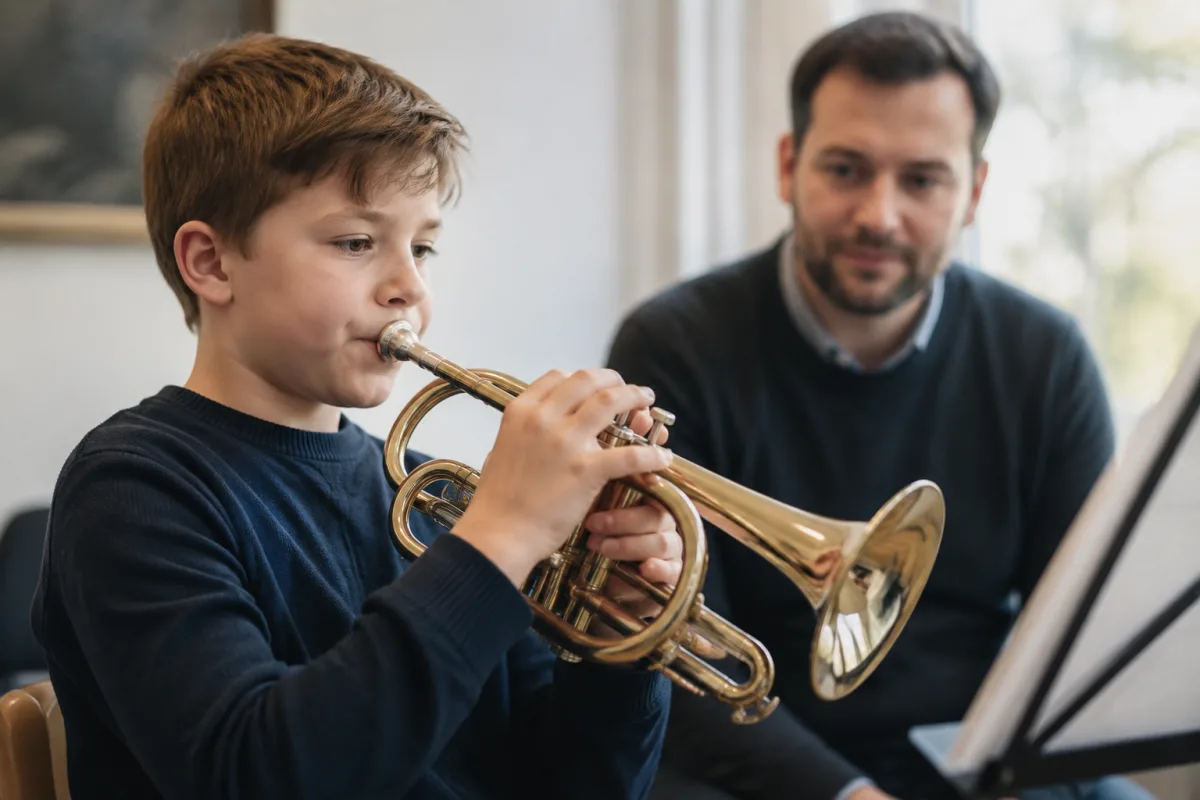
Starting Your Brass Cornet Journey: A Beginner's First Steps
Picking up a brass cornet for the first time can feel daunting—you're looking at an unfamiliar instrument with what seems like too many valves and too much responsibility. But here's the encouraging truth: cornets are genuinely beginner-friendly brass instruments, and with the right approach, you'll be producing decent sounds within weeks, not months.
Why Cornets Make Sense for First-Timers
If you're new to brass, a cornet has real advantages over a trumpet. The cornet's wider, more conical bore—compared to the trumpet's cylindrical tubing—means the sound projects with warmth and a slightly mellower tone that's forgiving when you're still building embouchure control. You don't need perfect lip tension from day one, and that matters when you're finding your way.
Cornets are also stockier and sit better in the hands of younger or smaller players. The valve layout is identical to a trumpet, so if you ever want to switch instruments later, the transition feels natural. And musically, cornets belong in bands, orchestras, and folk ensembles worldwide—so you'll have no shortage of music to play.
Choosing Your First Instrument: What to Actually Check
When you're shopping for a beginner cornet, ignore the fancy features for now. Focus on these essentials:
- Valve action: Depress each valve slowly and listen for smooth, consistent resistance. There should be no sticking, grinding, or sudden gumminess. Valves should spring back on their own without hesitation.
- No visible dents or damage: A large dent can affect tone and playability; small cosmetic ones don't matter, but dings on the bell or main tubing are worth asking about.
- Mouthpiece included: A passable beginner mouthpiece should come with the instrument. Don't assume you'll need to buy a fancy one immediately—use what ships with it for the first few months.
- Reasonable weight: Pick it up. If it feels heavy or off-balance, your embouchure will tire faster. Student cornets should feel reasonably light and comfortable to hold for 20–30 minutes.
- Tuning slide works freely: The main slide (usually near the bell) should move smoothly with gentle pressure. If it's stuck, you've got a maintenance issue to resolve.
New vs. Used: The Beginner's Dilemma
A new student cornet from a reputable brand (Yamaha, Blessing, Bach) typically costs £150–300 and comes with a warranty. It's reliable, sounds decent, and you won't agonise over cosmetic wear.
A used cornet is tempting—often half the price or less. But unless you or someone experienced can inspect it in person, you risk inheriting problems: sticking valves, leaks in the slides, or internal corrosion you can't see. Buy used only if you can play-test it first or buy from a known school or band that can vouch for its condition.
Your First Week: Assembling and First Sounds
When your cornet arrives, resist the urge to jump straight to melodies. Spend your first sessions on fundamentals:
Assemble carefully: The three valves stack in the correct order (usually numbered 1, 2, 3 from top to bottom). Line up the guides and slide them down gently. Attach the mouthpiece with a gentle clockwise twist—don't force it.
Long tones first: With the mouthpiece in place, buzz your lips (like a motorboat sound) into it without the valves. Then press all three valves down together (the equivalent of no fingering) and buzz into the full instrument. You'll hear a low, undefined note—that's normal. Hold it steady for 10–15 seconds, rest, and repeat. This builds embouchure strength without the frustration of trying to "hit" a note.
Valve coordination: Press and release each valve one at a time, slowly, listening to how the pitch changes. Get comfortable with the sequence 1–2–3 and back.
The First Month: Realistic Expectations
Week one feels scratchy and discouraging. Week two gets clearer—you'll start to distinguish individual notes reliably. By week four, you should comfortably play simple melodies: "Mary Had a Little Lamb", "Twinkle Twinkle Little Star". Don't compare yourself to experienced players. A month in, you're doing brilliantly.
Maintenance Habits That Save Heartbreak
A cornet is delicate. Adopt these habits now:
- Swab after every session: Use a soft cloth on a pull-through cord or a flexible brush to remove moisture from the inside. Left alone, this causes valve sticking and internal corrosion.
- Grease valves weekly: Valve oil (a light synthetic lubricant) keeps the cylinders moving freely. A tiny drop on each valve piston, work it gently up and down—don't overdo it, or it'll be sticky.
- Slide grease monthly: The main tuning slide and any movable slides need a bit of slide grease (thicker than valve oil) to stay smooth. A light coat, then work it in gently.
- Store upright or in a case: Never leave your cornet lying flat or exposed to temperature swings. A soft case protects it from bumps; a hard case is ideal if you're carrying it around.
Common First-Timer Mistakes—and How to Dodge Them
Blaming the instrument when it's your embouchure: New players often tense up and squeeze the mouthpiece hard, which mutes the sound and makes playing exhausting. Relax. Your lips should vibrate freely; the mouthpiece just guides them. If a note isn't coming, it's not the cornet—it's likely lip tension or air flow.
Skipping practice days: Brass demands consistency. Three 15-minute sessions a week beats one epic two-hour session. Your embouchure needs gentle, regular building.
Ignoring maintenance: A cornet left un-swabbed for weeks will develop valve problems that are expensive to fix. Spend 60 seconds swabbing every time you play.
Buying a fancy mouthpiece too early: Use the one that came with the instrument. Once you've played for six months and genuinely understand what your embouchure needs, *then* explore mouthpiece options.
Finding Your First Teacher and Community
A good teacher (even just an hour or two a month) is worth far more than the fee. They'll spot bad habits early and save you weeks of frustration. Many local schools or bands offer beginner lessons. If that's not available, online tutors can guide you through the basics.
Join a beginner ensemble if you can—school band, community brass band, folk group. Playing alongside others motivates you, keeps you accountable, and reminds you that this is *fun*, not a test.
The Big Picture
You're not alone if the cornet feels intimidating at first. Every player you admire started exactly where you are: uncertain, armed with a new instrument, and determined to figure it out. The beauty of the cornet is that it rewards patience and consistency generously. Stick with it for a few months, and you'll surprise yourself with what you can play.
Start with a decent beginner instrument, establish a maintenance routine now, and give yourself permission to sound rough for a while. In three months, you'll be playing recognisable tunes. In a year, you might be performing with a local ensemble. That's the beginner's arc, and it's within reach if you commit to showing up regularly.


Comments