


Brass Mute Buying guide
Brass Mute: A Complete Buyer's Guide
A practical guide to choosing brass mutes — from straight and cup mutes to tone, budget and matching your instrument and musical style.
Choosing the Right Brass Mute: A Buyer's Guide
A brass mute changes your instrument's sound entirely. It softens the tone, alters the resonance, and opens creative doors. But walk into a music shop and you'll find dozens of brass mute options, each promising different effects. This guide cuts through the confusion and shows you exactly what to look for when buying a brass mute.
Understanding What a Brass Mute Does
A brass mute sits inside the bell of your trumpet, trombone, French horn or tuba, blocking and redirecting air to dampen the sound. Different brass mute designs do this in different ways, producing different tone colours. Some mutes are subtle; others transform your instrument completely.
The effect varies by instrument and by your playing. A brass mute that sounds brilliant on trumpet might sound dull on trombone. Quality matters hugely; cheap brass mutes often sound choked or hollow, which is why better players invest in decent ones.
The Most Common Brass Mute Types
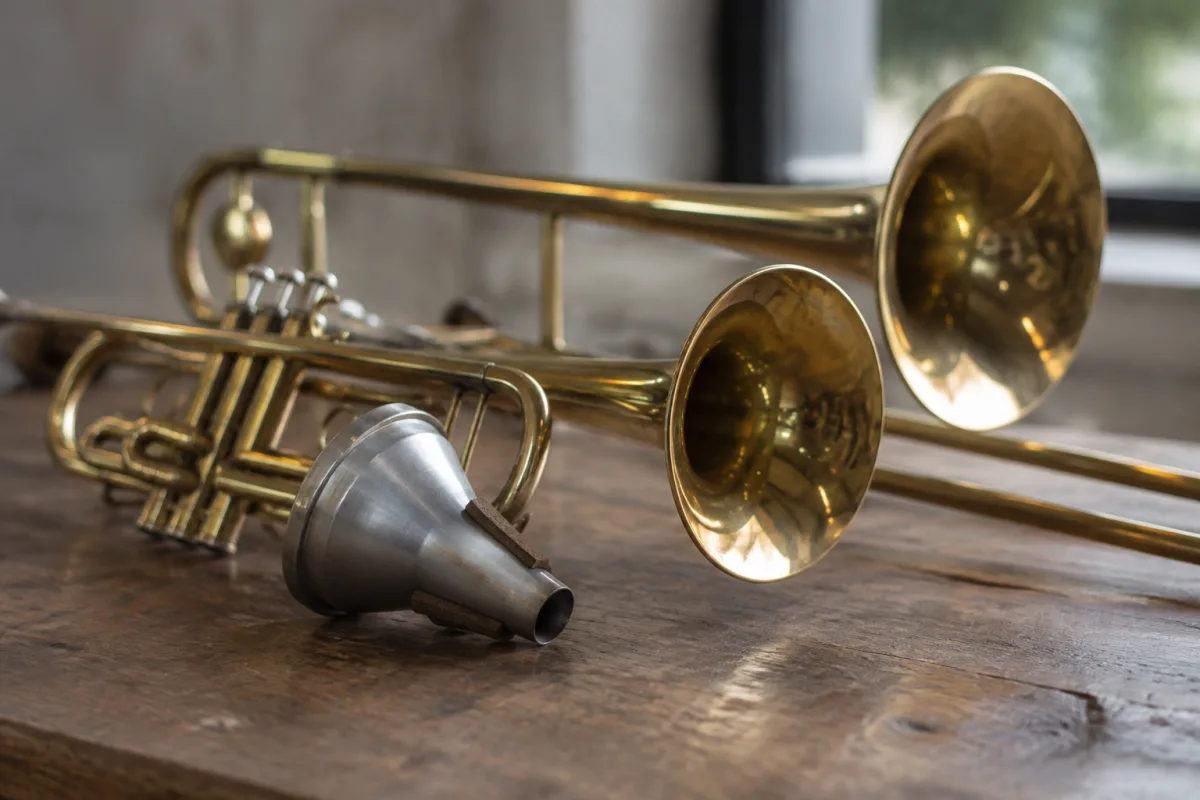
Straight Mute — The most popular brass mute for all brass instruments. It plugs straight into the bell and reduces volume by about 40%, producing a focused, slightly nasal tone. Classic choice for jazz and classical soloists.
Cup Mute — A cup-shaped brass mute that creates a mellow, soft tone, popular in blues and ballads. It's larger and requires more of your valve technique since it's slightly harder to control.
Wah-Wah Mute — A brass mute with a movable cup that lets you create a "wah-wah" effect by moving the cup in and out. Iconic in jazz and funk trumpet. Fun for creative players but specialised.
Plunger — A rubber cup on a handle (technically a mute-like tool, not a plug-in mute). Holds above the bell to create wah-wah sounds. Used more in jazz than classical.
Harmon Mute — A brass mute that produces a unique, distant, slightly electronic tone. Requires technique since intonation can be tricky, but it's popular in modern jazz and R&B.
Solotone Mute — A brass mute designed for warm, full sound with less volume. Used in orchestral playing when soft tone is needed but presence matters.
Material Matters: Metal vs. Fibre
Brass mutes are typically made from metal (brass, aluminium, steel) or hardened fibre. Metal mutes are durable, project well, and have a brighter response. Fibre mutes are lighter, warmer, and often cheaper.
For your first brass mute, metal typically outperforms. It handles practice and professional use well and lasts years. Fibre works fine but doesn't age as well — repeated insertion and removal can crack or dent them.
Budget and Quality Tiers
Budget brass mutes (£15–30) are functional but often sound cheap. They work, but tone is usually choked or thin.
Mid-range brass mutes (£30–80) offer solid tone and durability. This is where most players find real value. A mid-range straight mute or cup mute sounds genuinely good and lasts years.
Premium brass mutes (£80+) from makers like Harmon, Jo-Ral or German Silver offer professional tone and exceptional durability. If you gig or perform, investing here pays off.
For a first brass mute, spend £40–60 on a straight mute from a reputable maker. You'll get excellent tone and build quality without overspending.
Matching Your Instrument
Brass mute fit varies by instrument. A trumpet mute won't fit a trombone bell. Check the inner diameter of your instrument's bell (or ask your teacher) before buying a brass mute. Most shops list compatibility, but it's worth confirming.
Some instruments have unconventional bell sizes. Vintage or specialty brass instruments might need specialty brass mutes. Check before committing.
Playing Style and Musical Genre
Jazz players typically own straight, cup, and wah-wah brass mutes for variety. Classical players usually need just a straight mute. Blues and soul often use cup or plunger. Electronic and modern music might experiment with harmon mutes.
Buy the brass mute that matches your repertoire. If you play mostly classical, start with a straight mute. If you're exploring jazz, a straight and cup mute cover most situations.
Testing Before Buying
Try a brass mute before buying if possible. Play it in your instrument for a few minutes. Listen to the tone, test the intonation (does it stay in tune when you use it?), and feel whether it sits comfortably in the bell.
A brass mute should feel secure without being forced. It should insert and remove easily, and it shouldn't rattle or shift during play. Poor fit is frustrating and suggests the mute isn't right for your instrument.
Cleaning and Care
A brass mute accumulates moisture inside your instrument. After practice, tap out any water and leave it in a dry place. Every few weeks, gently wipe the outside with a soft cloth. Metal brass mutes can tarnish; keep them away from damp conditions.
Treat a brass mute as an investment. It's small and easy to lose or damage. Store it in a case pocket or pouch, not loose in a gig bag.
The Collection Inevitably Grows
Most brass players eventually own multiple mutes. You might start with just a straight mute, then add a cup mute later, then experiment with a harmon. This is natural as your playing develops and your musical interests expand.
Your first brass mute matters most. Get that one right, and you'll have the confidence to explore others.
For a deeper exploration of brass mute types, techniques for each, and how professionals choose their mutes, check our complete guide to brass mutes.



Comments