
Trumpet Brass Instruments article
The Complete Guide to Trumpet Brass Instruments
The trumpet is one of music's most versatile brass instruments, central to jazz, classical and contemporary music. Discover how trumpets work, what makes them special and how to start learning.
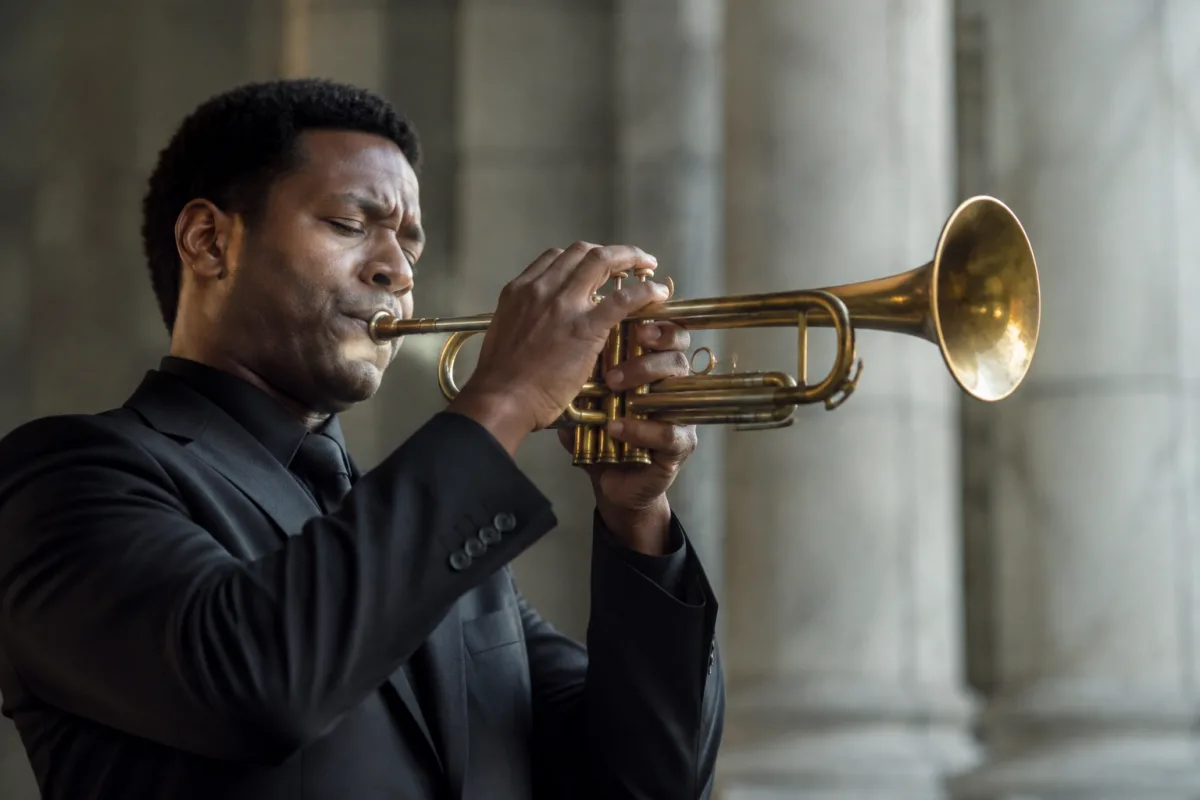
The trumpet stands as one of the most iconic and versatile brass instruments in music. From jazz and classical to funk and contemporary, the trumpet's bright, piercing tone and expressive capabilities make it fundamental to countless musical styles. Whether you're considering learning trumpet brass instruments or seeking to understand their role in music, this guide explores what makes them distinctive, how they work, and why they've remained central to music for centuries.
The Trumpet as a Brass Instrument
A trumpet is a brass instrument, meaning it produces sound by vibrating a brass tube through the player's lips. Unlike woodwind instruments that use reeds, trumpet brass instruments rely entirely on lip vibration and air pressure. The player produces different notes by changing lip tension and embouchure whilst valves redirect the air through different lengths of tubing. This combination creates the trumpet's characteristic bright, penetrating tone.
Most modern trumpet brass instruments feature three piston valves that lower the pitch when depressed, allowing a player to access the full chromatic scale across multiple octaves from a single fundamental pitch.
Types of Trumpet Brass Instruments
Bb Trumpet
The Bb (B-flat) trumpet is the standard instrument in classical and jazz music. Most trumpet brass instruments for beginners and professionals are Bb instruments. The Bb trumpet is pitched in B-flat, meaning it sounds one whole step lower than written. This transposition is compensated for in written music.
C Trumpet
A C trumpet is pitched in C and doesn't transpose—what you see written is what you play. C trumpet brass instruments are less common but valued in orchestral settings where they read directly from orchestral parts without transposition. They have a slightly brighter, more direct tone than Bb instruments.
Piccolo Trumpet
A piccolo trumpet is a high, compact member of trumpet brass instruments. It sounds an octave higher than a standard Bb trumpet and is used in specialized contexts—high orchestral passages, solos demanding extreme range, and baroque music. It requires significant embouchure control and strength.
Key Components of Trumpet Brass Instruments
| Part | Function | Material & Quality |
|---|---|---|
| Bell | The flared end; shapes the tone and projection | Typically yellow brass; heavier bells produce warmer tones |
| Bore | The interior diameter of the tubing | Wider bore = darker tone; narrow bore = brighter tone |
| Valves | Change the pitch by routing air through additional tubing | Precision-machined pistons; quality affects responsiveness |
| Mouthpiece | Where the player vibrates their lips | Various cup shapes and sizes; matches player preference and tone goals |
| Lead pipe | The first section of tubing; affects response and tone | Construction and material significantly influence the instrument's character |
Playing Technique and Embouchure
Playing trumpet brass instruments demands precise lip technique (embouchure). The player creates a focused air stream by vibrating closed lips, directing the air through the mouthpiece and into the instrument. Proper embouchure requires facial muscle control, breath support and coordination—skills developed gradually through practice. Beginners often spend weeks developing a basic embouchure before producing consistent tones.
Changes in lip tension and pitch change the note; different valve combinations extend the instrument's range. Mastering these interactions is the foundation of trumpet playing.
Styles and Tonal Characteristics
Different trumpet brass instruments serve different musical contexts. Jazz trumpets often have medium bores and warm bell flares suited to flexibility and expressive playing. Classical or orchestral trumpet brass instruments often feature narrow bores for brightness and projection. Marching band instruments have loud, focused tones. Each style emphasises different tonal characteristics.
A player's choice of trumpet brass instruments (including mouthpiece) directly shapes their tone and musical possibilities.
Buying Your First Trumpet Brass Instrument
Beginning students should start with a student-grade Bb trumpet (£200–£500). These instruments are durable, affordable and appropriate for learning fundamentals. Intermediate trumpet brass instruments (£500–£1,500) offer better build quality and tonal refinement as your skills develop. Professional trumpet brass instruments (£1,500+) are investments for gigging musicians and advanced students, offering superior response and tone quality.
Try several instruments before buying if possible—each feels and sounds different. A music teacher's recommendation is invaluable for matching a beginner to an appropriate instrument.
Maintenance of Trumpet Brass Instruments
Regular maintenance keeps trumpet brass instruments responsive and sounding good. Oil the valves regularly with valve oil; clean the instrument weekly with a soft brush; empty the water key after playing to prevent corrosion. Professional servicing (every 5–10 years depending on use) keeps the instrument functioning optimally. Small dents can usually be removed by a repair specialist without affecting playability.
The Trumpet's Enduring Role
Trumpet brass instruments have evolved over centuries yet remain central to orchestras, jazz ensembles, brass bands and contemporary music. The trumpet's expressive range—from delicate, singing passages to powerful, piercing high notes—makes it one of music's most versatile voices. Whether you're drawn to classical concertos, jazz solos or contemporary funk, trumpet brass instruments reward dedicated practice with profound musical expression.
Conclusion
The trumpet represents the pinnacle of brass instrument design and capability. Its combination of technical depth, expressive range and widespread musical use makes it one of the world's most rewarding instruments to learn and play. Whether you're a beginner exploring music or an experienced player, quality trumpet brass instruments—matched to your level and goals—open doors to countless musical possibilities.


Comments