


Oil Fretboard Buying guide
Oil Fretboard: A Complete Buyer's Guide
Choosing the right fretboard oil conditioner protects your instrument and maintains playability. This guide covers types, prices, and what to look for when buying.
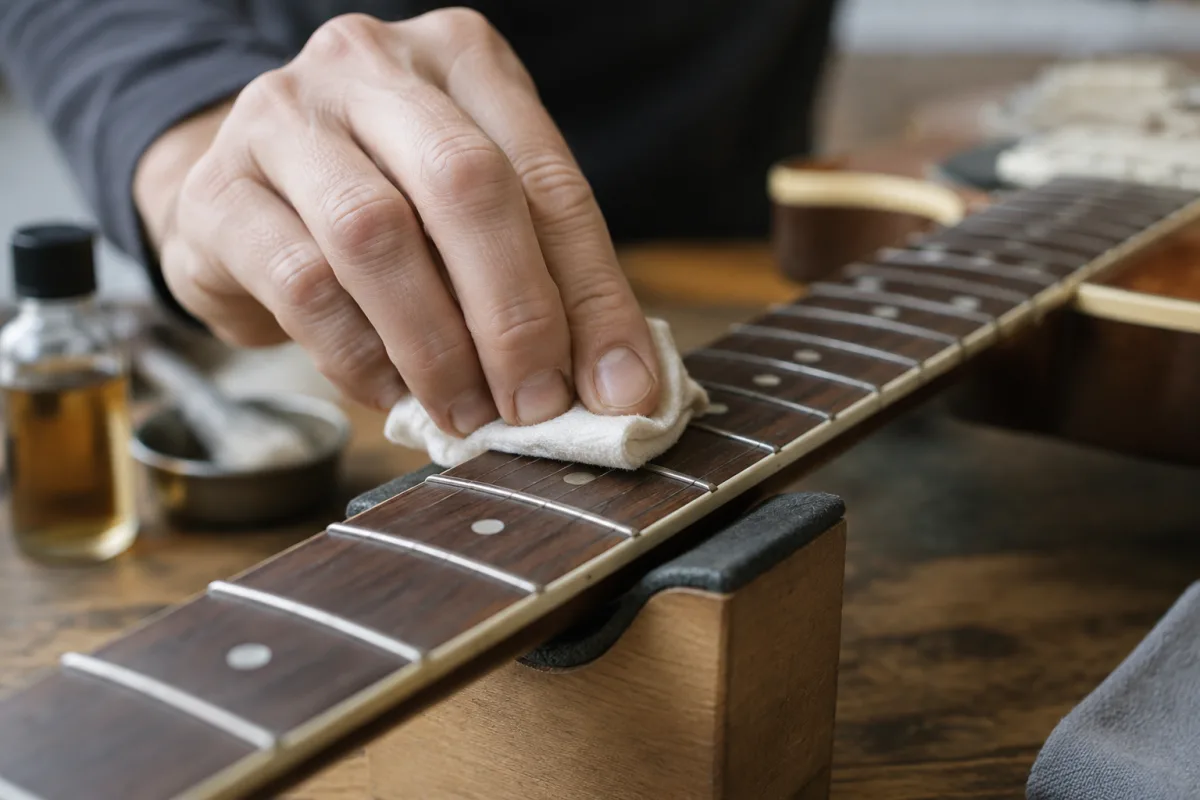
Buying the right oil fretboard conditioner is an investment in your instrument's longevity and playability. Whether you're caring for a vintage guitar, maintaining a brass instrument's woodwind components, or conditioning any fretboard that sees regular use, choosing appropriate oil fretboard products means understanding what your specific fretboard material needs and avoiding damage from wrong choices. This guide walks you through the main options, price points, and what to check before you buy.
Understanding Fretboard Oil Types and Composition
An oil fretboard product falls into one of three categories: natural oils (linseed, rosewood, lemon), speciality blends formulated for instruments, and synthetic or mineral alternatives. Each has distinct benefits and drawbacks. Natural oils like linseed penetrate deeply and enhance the wood's appearance, but they can become sticky or rancid over time if not carefully formulated. Lemon oil, popular in the 1970s and 1980s, is lighter and dries faster, though it can eventually dry out fine hardwoods if applied too frequently.
Speciality oil fretboard formulas—brands like Lemon Oil, Fretboard Conditioner, and boutique blends—balance moisturising with cleaning and anti-residue properties. These products are engineered specifically for rosewood, ebony, and other hardwoods common on fretboards. They typically include a small amount of citrus extract or mineral oil to improve penetration, plus wax or UV inhibitors to protect against fading. Synthetic alternatives are sometimes cheaper, but they can leave a waxy buildup or feel greasy if over-applied.
Importantly, the fretboard material dictates which oil fretboard product suits your instrument. Rosewood, the most common fretboard wood, accepts most oils well. Ebony, being denser, requires less frequent conditioning and lighter oils to avoid pooling. Pau ferro and Indian laurel are somewhere in between. Maple fretboards (common on Fender-style instruments) present a challenge: they should rarely be oiled because maple is more porous and lighter oils can cause dark staining or warping.
Buying Guide: Assessing Oil Fretboard Products
When shopping for an oil fretboard conditioner, look at three primary factors: composition, viscosity (thickness), and price per application. A reputable oil fretboard product should list its primary ingredients—avoid generic "fretboard oil" with no detail. The best products declare whether they're food-safe natural oils or speciality blends; this transparency is a sign of manufacturer confidence.
Viscosity matters more than many buyers realise. A thin, runny oil penetrates quickly but can drip onto your frets and create mess. A thicker formula sits where you apply it but may take longer to absorb. Mid-range viscosity—not thin, not gluggy—is the practical sweet spot for most oil fretboard applications. Test the bottle in the shop if possible: tilt it and watch how the oil flows. A two-second pour is ideal; anything faster risks over-application.
Bottle size and price per application are worth calculating. A small 30ml bottle of premium oil fretboard product costs £8–£15, but it typically conditions 8–10 fretboards before empty. A larger 100ml bottle (£15–£25) offers better value for serious musicians or repair technicians. Budget conditioners under £5 often contain cheap mineral oil and leave a waxy, sticky residue—false economy if your fretboard ends up attracting dirt and feeling unplayable.
Natural versus Synthetic Fretboard Oils
Natural oil fretboard products like pure linseed oil or speciality rosewood oil feel more authentic and produce excellent aesthetic results—the wood looks richer and feels warm to the touch. However, natural oils require careful storage (they can oxidise in sunlight) and are not shelf-stable indefinitely. Buy only what you'll use within a year and store in a cool, dark place.
Synthetic oil fretboard blends are more stable, rarely go rancid, and offer consistent results. They're ideal if you condition fretboards infrequently or work in a shop environment where stock sits for months. The tradeoff is a slightly less organic feel and occasional residue if you over-apply. Some musicians swear by synthetics for their reliability; others prefer the character of natural oils.
A practical compromise: buy a small bottle of premium natural oil fretboard product for your personal instrument (monthly or quarterly use) and keep a synthetic alternative in your gig bag for emergency touch-ups or travel. This hedges against natural oil going off while ensuring you have reliable product on hand.
Common Mistakes When Buying Oil Fretboard Products
Confusing lemon oil with proper fretboard conditioning oil is a frequent error. Lemon oil is a cleaner first and a conditioner second. It cuts through grime and brightens wood, but it can over-dry hardwoods if used weekly on an already-maintained fretboard. Proper oil fretboard products have thicker viscosity and more conditioning agents; they're meant for deeper moisturising on neglected wood. Buy lemon oil only if you need to deep-clean a dirty fretboard as a first step, then follow up with true conditioning oil.
Buying "multi-purpose" wood oils intended for furniture is another trap. Furniture oils often contain silicone, wax, or polyurethane additives that sound excellent in a guitar shop but can build up on frets and interfere with string vibrancy. Always buy an oil fretboard product specifically labeled for instruments or music wood.
Overbuying because you see a sale is easy to regret. Most oil fretboard oils last years unopened, but once opened, natural oils begin oxidising. A five-pack of conditioner bottles is sensible only if you're a tech servicing instruments professionally. For personal use, buy a single 50ml bottle and revisit when you're nearly done.
Ignoring the fretboard material and buying blindly by brand is risky. A product perfect for rosewood can potentially stain maple or over-saturate ebony. Always check your fretboard wood first—look at the instrument's spec sheet or ask the retailer. Then verify the oil fretboard product you're considering is suitable for that wood type.
Price Tiers and Value Comparison
Budget oil fretboard products (under £5) are mineral oil with minimal additives. They work in a pinch but leave residue and offer no UV or oxidation protection. Buy these only for temporary cleaning or if money is genuinely tight.
Mid-range options (£8–£15) are where most players should shop. These are formulated specifically for instrument fretboards, contain conditioning wax or natural oils, and leave wood feeling and looking right. A 50ml bottle in this range serves most musicians for a year or two. This is the standard recommendation for quality without waste.
Premium oil fretboard products (£15–£30) often feature boutique natural oil blends, added UV protection, or artisanal sourcing. They're excellent for high-end or vintage instruments where aesthetics and longevity matter deeply. For daily-driver instruments, mid-range usually suffices; premium is a luxury upgrade.
Professional-grade formulas (£25+) are typically sold in larger sizes or bulk and target repair technicians. Unless you're conditioning dozens of fretboards annually, these are overkill. A repair shop might benefit; a home player won't justify the cost.
Availability and Sourcing
Quality oil fretboard products are widely stocked at music retailers, both in-store and online. Buying in person has the advantage of inspecting viscosity and asking staff questions. Online retailers often offer faster delivery and competitive pricing. Avoid unbranded bottles from marketplaces unless you can verify reviews from real musicians who've used them on fretboards.
Specialist shops and luthier suppliers stock premium oil fretboard brands sometimes unavailable in general music stores. If you find a product you love, it's worth buying a backup to ensure you have supply if the brand becomes hard to source.
For a deeper exploration of fretboard care, types of conditioning oils, and how they differ in application, read our complete guide to oil fretboard treatments.
Seasonal and Storage Considerations
Where you live affects how often you condition fretboards. In dry climates, an oil fretboard product applied quarterly is standard. In humid regions, less frequent application (every six months) is often sufficient because moisture is already present. Conversely, extremely dry air (e.g., winter heating indoors) may demand more frequent conditioning to prevent fretboard cracking.
Storage of your oil fretboard purchase matters. Keep bottles in a cool, dark cupboard, away from direct sunlight and heat sources. Natural oils oxidise in sunlight; synthetic oils can thicken in cold. An unheated garage or a north-facing cabinet is ideal. Check the label for a recommended storage temperature and shelf life.
Final Thoughts on Choosing Your Oil Fretboard Conditioner
Investing in the right oil fretboard product is straightforward if you match the oil's composition and thickness to your specific fretboard wood. Spend £8–£15 on a reputable brand, avoid multipurpose furniture oils and cheap generics, and condition your fretboard two to four times per year depending on climate and use. A well-maintained fretboard will serve you beautifully for decades, making a modest conditioner purchase an excellent return on investment for any serious musician.



Comments