


Besson Trumpet Buying guide
Besson Trumpet: A Complete Buyer's Guide
Shopping for a Besson trumpet? This guide covers model ranges, what makes them reliable, physical inspection tips, pricing tiers, and what to watch for.
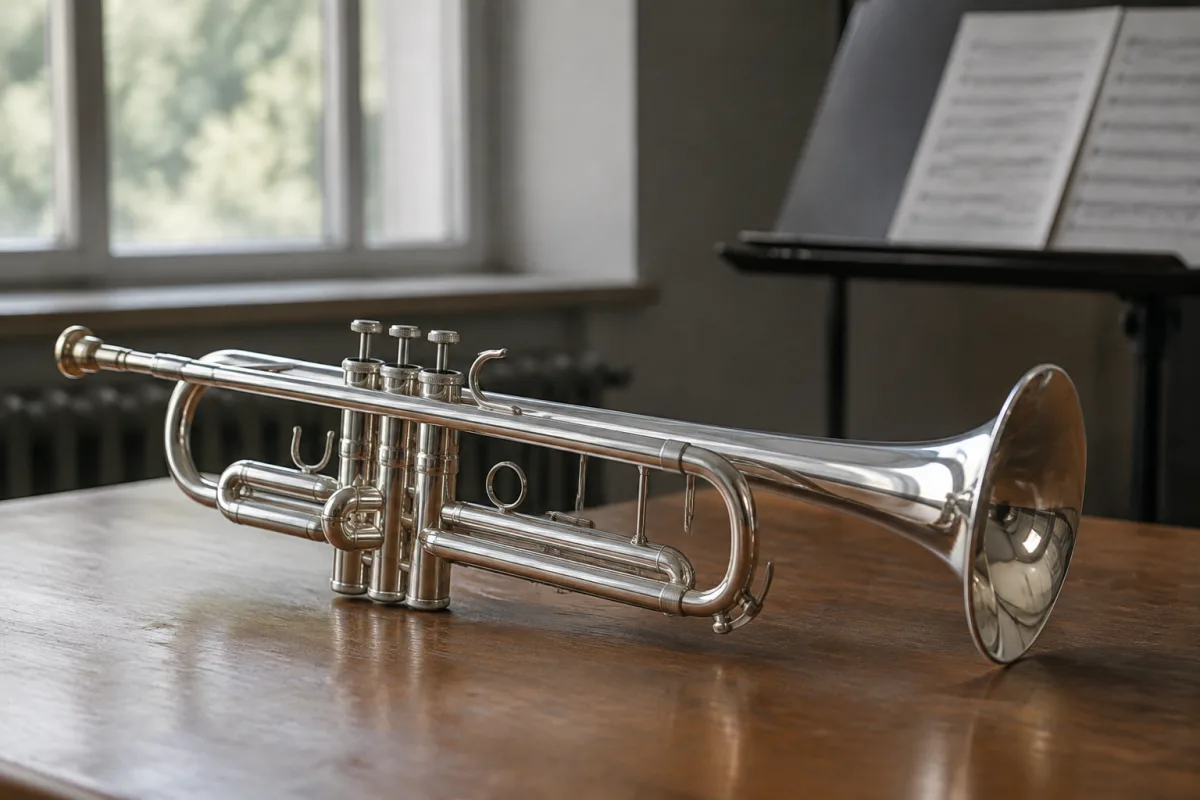
A Besson trumpet is a superb choice if you're upgrading from a student model or shopping for a dependable professional instrument. Besson has been crafting trumpets since 1889, and their reputation for quality is well-earned. This buying guide covers what to expect from different Besson trumpet models, how to evaluate one before purchase, and what you should budget.
The Besson Trumpet Reputation
Besson is renowned for consistent, warm tone and reliable construction. A Besson trumpet is favoured by orchestral players, brass band musicians, and working professionals. The brand has withstood over a century of use in demanding environments—recording studios, concert halls, and competitive brass bands—which speaks to durability and tonal consistency.
One reason musicians trust Besson trumpets is predictability. You know roughly what a Besson instrument will sound like before you buy it, based on the model and bore size. This reliability is especially valued by professional players who can't risk unpredictability in performance.
Understanding Besson Trumpet Models
The Besson range spans several tiers. The BE706 student model is entry-level, affordable, and solid for learning. The BE707 is a step up—slightly better valve action and tone. The Besson Sovereign series (BE2055, BE2056) are professional models with superior construction and tonal depth. The Besson 700 series sits between student and pro models, offering excellent value for intermediate players.
Each Besson trumpet model has a specific bore (the internal diameter of the tubing), bell design, and weight distribution. These factors influence how the instrument responds and what tone colours you can achieve. A Besson with a larger bore (0.468") will be more open and free-blowing; a tighter bore (0.462") requires more embouchure control but gives a more focused tone. Choose based on the style of music you play and your preference for tone weight.
What to Listen For
When evaluating a Besson trumpet, listen across the entire range. Besson trumpets are known for consistent tone, but you want to ensure the one you're considering doesn't have dead spots or balance issues. Play from the lowest pedal tones through the high register. Does the tone remain centred and stable? A high-quality Besson will feel responsive and predictable throughout.
Check the low register especially. Some cheaper instruments sound tinny in the upper range but weak in the low notes. A genuinely good Besson trumpet delivers rich, full tone from bottom to top. If the lower notes sound muddy or unfocused, that's often a sign of inferior valve action or bore design.
Physical Inspection
Examine the finish. Besson trumpets come in lacquered brass or silver-plated versions. Lacquer is lower-maintenance and less expensive; silver plate requires occasional polishing but can develop a beautiful patina. Either is fine, but inspect the condition. Dings and dents affect resale value but not necessarily playability. However, cracks in the tubing are serious and expensive to repair.
Test the valves. They should return to position quickly and smoothly without any grinding or resistance. If a valve is sluggish, the instrument needs servicing—factor in a £50–£150 repair cost. Check the valve caps; they should seal tightly. Loose caps allow moisture inside and lead to corrosion.
Inspect the solder joints (where tubing is joined). Look for cracks or leaks. Leaks affect intonation and require professional soldering to repair. Gently tap different sections of the instrument and listen for rattles—the bell tube and lead pipe should ring cleanly without vibration.
Besson Trumpet Price Tiers
| Category | Price Range | What to Expect |
|---|---|---|
| Student/Entry | £200–£400 | Besson student models offer solid quality for learners. Good intonation and response, though tone is straightforward rather than expressive. |
| Intermediate | £400–£1000 | Besson 700 series and upgrade models. Better valve action, richer tone, and more flexibility for varied playing styles. |
| Professional | £1000–£2500 | Sovereign series and high-end models. Superior construction, exceptional tonal depth, and reliable performance for demanding situations. |
| Vintage/Specialised | £800–£3000+ | Rare older Besson models and hand-picked professional instruments. Prized for distinctive sound character. |
New vs. Used
A new Besson trumpet comes with warranty and the assurance of fresh valve springs, pads, and seals. This security is worth something if you're investing £800 or more. Vintage or used Besson trumpets can be exceptional bargains—a 1960s or 1970s Besson can be superior to some modern entry-level models and often costs half the price.
The catch with buying used is maintenance history. Has it been regularly serviced? Are the valve brasses worn? Are the pads sealed properly? For a used Besson in the £600+ range, budget another £100–£200 for a professional inspection and any necessary minor repairs before committing.
Intonation and Playing Characteristics
Besson trumpets are known for solid, predictable intonation. They don't require excessive lip compensation in most keys. This reliability appeals to orchestral players who need to blend with other instruments. However, this same quality can feel "straight" or "no-nonsense" to players accustomed to hand-crafted, boutique instruments.
A Besson trumpet responds well to classical, orchestral, and traditional brass band repertoire. If you're gravitating toward contemporary jazz or avant-garde playing, test the instrument first to ensure it matches your tonal aesthetic. Some players find Besson instruments a touch formal; others find that clarity essential.
Common Pitfalls
Don't buy based solely on brand. A Besson trumpet is only as good as its condition. An old, poorly maintained Besson will sound worse than a well-kept student model from another maker. Inspect carefully or have a technician evaluate any used instrument.
Don't assume all Besson models suit your needs. The student model will frustrate an advanced player looking for expressiveness. The Sovereign will feel overqualified for casual playing. Choose the tier that matches your current level and musical goals.
Don't ignore the mouthpiece. The default mouthpiece that ships with a Besson trumpet is reasonable but generic. If you're upgrading from a student model, experimenting with a better mouthpiece can unlock more of the trumpet's potential. Budget an extra £100–£200 for a quality mouthpiece.
Resale Value
Besson trumpets hold their value reasonably well. A Sovereign kept in good condition will retain 60–70% of its purchase price over several years. Student models depreciate faster but still command £100–£200 on the secondhand market. This resilience makes Besson a safer investment than some boutique brands.
For detailed information on Besson trumpet construction, history, and sound characteristics, explore our comprehensive Besson trumpet guide.
Conclusion
Buying a Besson trumpet is a solid decision, whether you're stepping up from student model or investing in a professional instrument. Besson's century-plus reputation for consistency and quality isn't accidental. Test any instrument thoroughly before buying, inspect for damage, and choose the model that fits your current level. Whether you opt for an economical intermediate model or a high-end Sovereign, a Besson trumpet will serve you reliably for years to come.


Comments