


Bach Trumpet article
Bach Trumpet for Beginners: A Complete Guide
Starting trumpet? This guide explains why Bach trumpets are ideal for beginners, which models to choose, setup essentials, and what to expect in your first weeks.
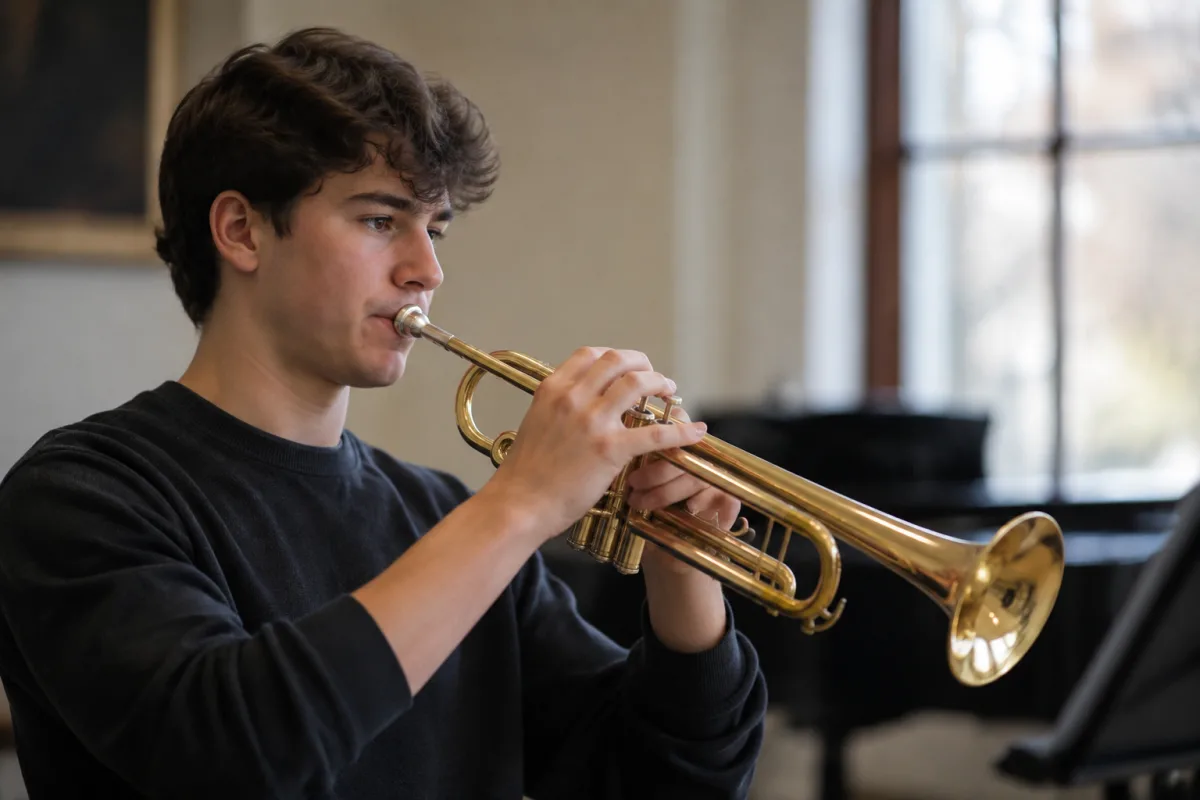
If you're a beginner trumpet player considering a Bach trumpet, you're on the right track. Bach trumpets are used by learners, students, and professionals alike, which means they're genuinely good instruments. This guide will help you understand what a Bach trumpet offers, how to know if it's right for you, and what to expect as a nervous first-time trumpet player.
Why Bach Trumpets Are Popular
Vincent Bach Stradivarius trumpets are some of the most widely played instruments in schools and orchestras worldwide. That popularity exists for a reason: they're reliable, they sound good, and they're made to last. A beginner Bach trumpet will respond well to effort—if you practise regularly, it will reward you with better tone and projection. This responsiveness actually encourages newer players to keep practising, because you hear improvement.
The reputation of Bach trumpets also means you'll find plenty of secondhand instruments at reasonable prices. Many young players learn on a Bach trumpet, then upgrade or specialise later, which creates a healthy secondhand market. This is good news for beginners on a budget.
Understanding Bach Trumpet Models
Bach makes trumpets at various price points. The 180 student model is specifically designed for beginners and younger players. It's a solid, straightforward trumpet that won't frustrate you with excessive resistance or tuning issues. The 180-37 (a variant) has slightly different valve action. The 190 series steps up in quality and is often chosen by intermediate players moving beyond absolute beginner level.
As a beginner, the Bach 180 is usually the right choice. It's affordable enough that you won't feel anxious about dings or small damage, yet well-made enough that you won't outgrow it after six months. Many successful trumpet players started on a Bach 180 and kept it for years.
New vs. Used Bach Trumpets
Buying a new Bach trumpet gives you a warranty and the assurance that all the valves, springs, and seals are fresh. If your school doesn't provide a loaner trumpet, a new instrument is a solid investment. You'll spend around £300–£600 on a new Bach student trumpet.
A used Bach trumpet can be excellent value. Because these instruments are built to last, a well-maintained secondhand Bach trumpet from 10 or even 20 years ago can sound and play perfectly. You might find one for £150–£350. The risk is that you won't know its maintenance history. Has it been serviced recently? Are the valves sticking? Do the pads seal properly? If you buy secondhand, inspect it carefully or have a trumpet repair technician check it before committing.
Physical Considerations for Beginners
A Bach trumpet is moderately weighted—not so heavy that it fatigues young players, but substantial enough to feel professional. If you're a small-framed person or a young learner, the instrument will feel significant at first. This is normal. After a few weeks of practice, your endurance builds and it feels lighter.
The mouthpiece matters. A Bach trumpet comes with a standard mouthpiece (usually a 7C or similar), which is fine for learning. Your embouchure (the way you use your lips) develops around whatever mouthpiece you start with. You don't need to experiment with different mouthpieces yet—stick with the one that comes with your trumpet for at least the first year.
Setup and First Steps
When you get your Bach trumpet, have it checked by a technician if it's secondhand. A professional setup costs £50–£100 but ensures everything is working properly. If it's new, the shop should set it up before you leave. When you first play it, don't panic if it feels stiff or sluggish—you might be pinching too hard with your lips or tensing your shoulders. These are common beginner mistakes, not flaws with the trumpet.
Learn proper valve technique early. Press the valves straight down, not at angles. This prevents wear and keeps the action smooth. Keep your Bach trumpet clean—swab the inside after each practice to prevent moisture buildup, which corrodes valves. A simple routine takes two minutes and keeps your instrument in good shape.
Common Beginner Challenges
Your Bach trumpet will feel difficult at first. That's expected. You're learning to coordinate your breathing, your lips, and your fingers—all simultaneously. Many beginners give up in the first month thinking the trumpet is impossible. It's not; you're just at the steep part of the learning curve. Stick with it.
If your Bach trumpet sounds airy or breathy, you're not sealing the mouthpiece properly on your lips. If notes crack or sound uncertain, that's embouchure development—it improves with practice. If the valves stick or don't return smoothly, that's a real problem and worth having serviced.
Finding Support and Teachers
Learning trumpet is hard without guidance. A good teacher—even if you can only afford one lesson per month—accelerates your progress and prevents you from developing bad habits that are hard to break later. Your school might offer lessons, or a local music shop can recommend an instructor. Investment in a few lessons early on pays dividends.
Long-Term Care
A Bach trumpet, if looked after, will last decades. Oil the valves regularly (once or twice a week). Clean the slides monthly. Have the instrument professionally serviced every few years, depending on how often you play. Small maintenance costs now prevent expensive repairs later. Your Bach trumpet will reward good care.
For a deeper exploration of Bach trumpet models and their characteristics, read our comprehensive guide to Bach trumpets, which covers construction, history, and sound in detail.
Conclusion
As a beginner, a Bach trumpet is an excellent choice. It's built well, it responds to practice, and it won't hold you back as you develop. Don't expect to sound great in week one—trumpet requires patience and consistent practice. But if you commit to it, your Bach trumpet will become an instrument you love. Start with the Bach 180, find a teacher, practise regularly, and enjoy the journey. Hundreds of thousands of musicians started on exactly this instrument, and so can you.


Comments