
Tubes for Amplifiers article
The Complete Guide to Tubes For Amplifiers
Tubes for amplifiers produce the warm, organic tone beloved by musicians. Understanding tube types and replacement keeps your gear sounding optimal for years.
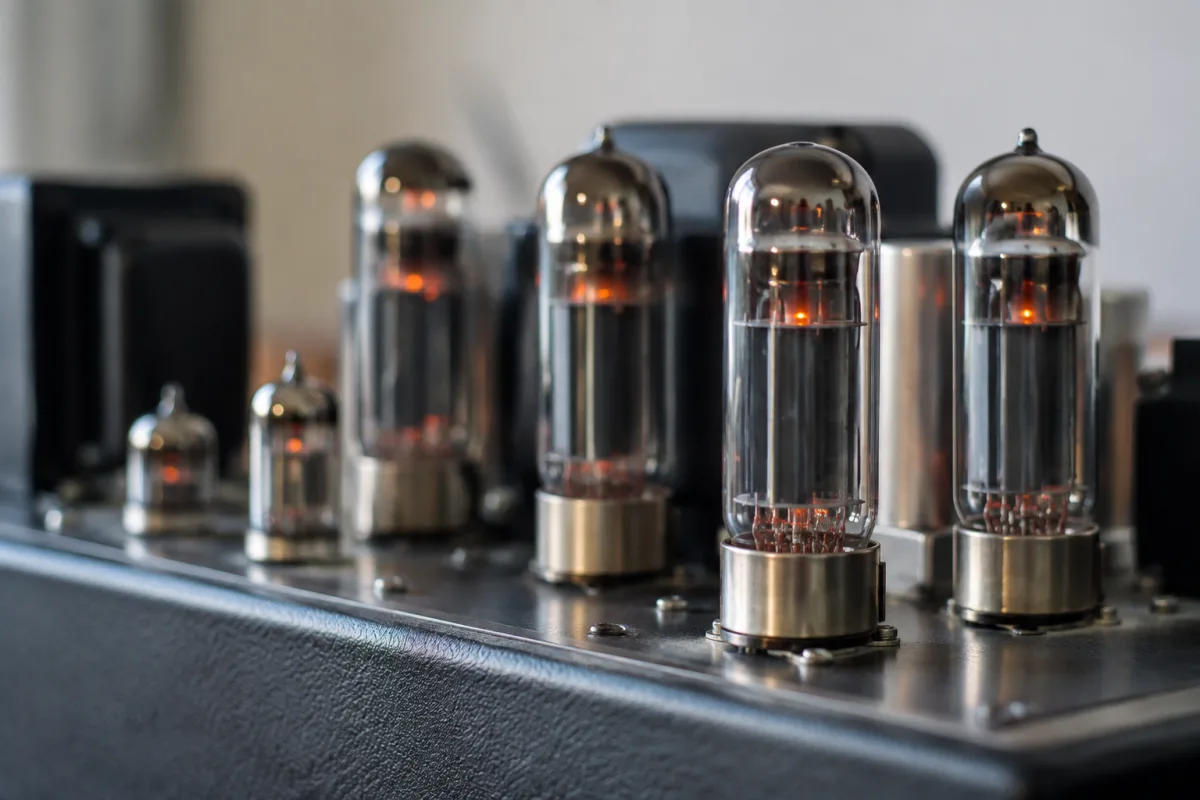
Tubes for amplifiers remain essential components that define the warm, organic tone prized by musicians and audiophiles worldwide. Whether replacing aging tubes for amplifiers in vintage gear or upgrading tone quality in modern amplifiers, understanding tubes for amplifiers and their characteristics elevates your sonic capabilities significantly.
Understanding Amplifier Tubes
Tubes for amplifiers are vacuum tubes containing heated filaments that amplify electrical signals. The fundamental science behind tubes for amplifiers hasn't changed since the 1920s—electricity flows through specially designed glass housings containing controlled vacuum environments. This proven technology produces tonal characteristics that solid-state transistors struggle to replicate convincingly. Many musicians choose tubes for amplifiers specifically because they colour and compress signals in musically desirable ways.
Preamp vs Power Tubes
Amplifiers typically contain two distinct tube types. Preamp tubes amplify weak input signals before sending them to power tubes for amplifiers that drive your speakers. Tubes for amplifiers in the preamp stage tend toward the delicate and sensitive end of the spectrum—handling subtle dynamics and determining overall tone character. Power tubes for amplifiers handle maximum amplification, generating the aggressive saturation and harmonic compression associated with tube tone.
Popular Tube Types for Amplifiers
| Tube Type | Role | Common Amplifiers |
|---|---|---|
| 12AX7 / ECC83 | Preamp | Nearly all guitar amps, hi-fi equipment, microphone preamps |
| EL84 | Power | Low-wattage amps, smaller valve combos, boutique designs |
| 6L6 / EL34 | Power | High-wattage amps, professional amplifiers, studio gear |
| 6V6 | Power | Vintage gear, low-power applications, harmonically rich tone |
Characteristics of Quality Tubes for Amplifiers
Distinguishing quality tubes for amplifiers from inferior replacements requires attention to manufacturing details. Premium tubes for amplifiers feature robust construction, precise component tolerances, and rigorous testing protocols. These qualities ensure long lifespan and consistent tone. Cheap tubes for amplifiers often exhibit weak construction and may fail prematurely or introduce unwanted noise into your signal.
The source country influences tubes for amplifiers quality significantly. American-made tubes for amplifiers from the 1950s-60s remain highly sought because original manufacturing standards exceeded contemporary production. Reissues from manufacturers like Mullard, Telefunken, and JJ Electronics represent modern attempts to match vintage tube specifications. Tubes for amplifiers from these makers cost more but deliver superior reliability and tone compared to budget alternatives.
When to Replace Tubes for Amplifiers
Recognising when tubes for amplifiers require replacement prevents catastrophic failure and maintains tone quality. Symptoms of failing tubes for amplifiers include excessive hum, reduced volume, distortion on clean channels, or microphonic feedback. Preamp tubes for amplifiers degrade more gradually than power tubes—declining sensitivity before complete failure. Power tubes for amplifiers tend to fail more suddenly, potentially damaging transformers if left unattended.
Proactive replacement of tubes for amplifiers every 2-3 years for moderate use keeps amps sounding optimal. Professional gigging musicians often replace tubes for amplifiers annually because consistent tone matters for their livelihoods.
Biasing and Tube Matching
Many amplifiers require bias adjustment when replacing power tubes for amplifiers. Biasing determines how much current flows through tubes for amplifiers at rest, affecting tone and tube lifespan. Incorrect bias damages tubes for amplifiers and creates excessive heat in output transformers. Professional technicians verify bias adjustment when replacing tubes for amplifiers in high-wattage amps.
Matched pairs or quads of tubes for amplifiers ensure balanced output. Mismatched tubes for amplifiers cause uneven power distribution, accelerating failure and degrading tone. Most reputable tube suppliers test tubes for amplifiers and offer matched pairs for applications requiring balance.
Tone Variations Among Tubes for Amplifiers
Different manufacturers' tubes for amplifiers impart subtle but audible character differences. Mullard tubes for amplifiers are renowned for smooth, compressed tone with round attack. Telefunken tubes for amplifiers emphasise clarity and high-frequency response. JJ Electronics tubes for amplifiers offer modern reliability with vintage-inspired tone. Tubes for amplifiers from Mullard NOS (new old stock) command premium prices because their vintage origin appeals to tone purists.
Experimenting with different tubes for amplifiers reveals personal preferences. Many musicians keep spare tubes for amplifiers of different types to access different tonal colours depending on the day's requirements.
Budget Considerations
Quality tubes for amplifiers cost between £15-80 depending on type and source. A complete tube set for amplifiers in a typical combo amp might run £100-200. This investment seems substantial until compared to the cost of replacing transformers damaged by failed tubes for amplifiers or purchasing new amplifiers. Preventive replacement of tubes for amplifiers represents excellent value insurance.
Storage and Handling
Proper storage extends tubes for amplifiers lifespan. Keep tubes for amplifiers in a cool, dry environment away from vibration and shock. Original packaging protects tubes for amplifiers during storage and transport. Installing tubes for amplifiers carefully—avoiding excessive pressure on delicate envelope components—prevents premature failure.
Conclusion
Tubes for amplifiers remain at the heart of beloved tonal characteristics that define modern music. Whether maintaining vintage gear or upgrading contemporary amplifiers, investing in quality tubes for amplifiers enhances reliability and sound character substantially. Understanding tube types, replacement symptoms, and quality differentiators empowers you to make informed decisions that preserve your amplifier's tone and longevity for years of musical enjoyment.



Comments