
Southern Ukuleles article
The Complete Guide to Southern Ukuleles
Southern ukuleles represent a distinctive fusion of Hawaiian tradition and American folk music. These instruments have earned their place in Appalachian and country music, offering a warm tone and accessibility that made them ideal for regional music-making.
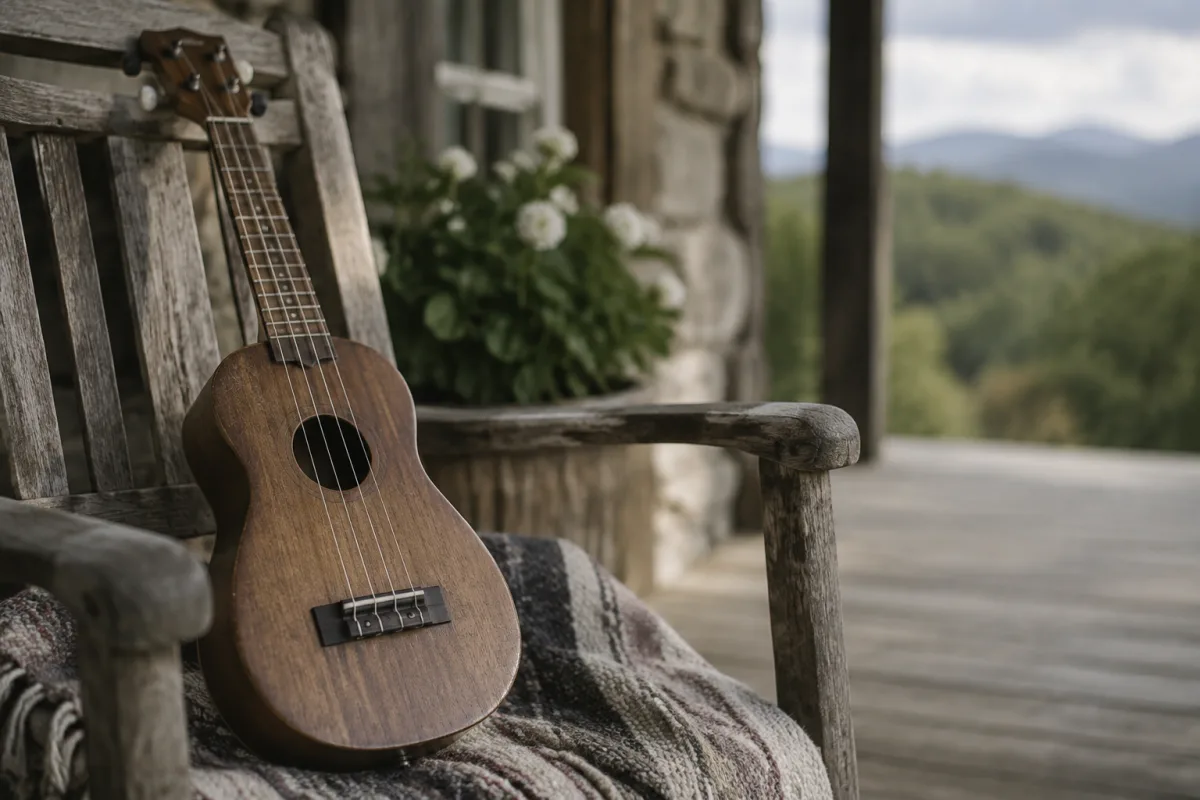
Southern ukuleles represent a distinctive chapter in American stringed instrument history, blending the Hawaiian ukulele tradition with the folk and country music styles of the American South. These instruments have developed their own character and cultural significance, earning a devoted following among musicians who appreciate their warm tone and accessibility.
The Heritage of Southern Ukuleles
The story of southern ukuleles begins in the early 20th century when Hawaiian culture swept across America. Whilst the ukulele originated in Hawaii, American musicians—particularly in the South—embraced the instrument and adapted it to suit their musical traditions. Southern ukuleles emerged as a natural fusion of Hawaiian simplicity and Southern folk sensibilities, becoming an integral part of Appalachian and country music communities.
Unlike their Hawaiian cousins, southern ukuleles often featured construction methods influenced by banjo-makers and guitar builders from mountain communities. This resulted in instruments with a distinctly warmer, earthier tone that blended seamlessly with fiddles, banjos and acoustic guitars. The portability and affordability of the ukulele made it an ideal instrument for rural musicians, contributing to its rapid adoption across the South.
Characteristics of Southern Ukuleles
Southern ukuleles typically exhibit several defining features that distinguish them from standard Hawaiian instruments:
- Construction and materials: Many southern ukuleles feature solid wood bodies with thicker construction compared to traditional Hawaiian models, producing a more resonant and sustained tone suitable for ensemble playing.
- Neck profile: Southern builders often created slightly thicker, more robust necks to withstand the playing styles favoured in bluegrass and folk music.
- Tonal character: The resulting sound carries a warm, mellow quality with good projection, allowing the instrument to hold its own in group settings alongside banjos and guitars.
- Bridge design: Some southern ukuleles feature reinforced bridges, reflecting the influence of banjo and guitar construction techniques.
Role in American Music Traditions
Southern ukuleles found their most natural home in Appalachian folk music and early country music. As recordings of Southern folk traditions began to circulate in the 1920s and 1930s, the ukulele appeared alongside banjos and guitars as a melodic and rhythmic voice. The instrument proved particularly valuable in string bands, where its bright yet warm tone added texture without overwhelming other instruments.
The ukulele's presence in Southern music extended beyond Appalachia into Texas, Louisiana and other regions, where musicians incorporated it into country, cajun and folk traditions. This widespread adoption secured the instrument's place in American musical identity, separate from its Hawaiian origins yet deeply connected to its island heritage.
Building and Craftsmanship
Southern ukulele makers developed distinctive building approaches rooted in local woodworking traditions. Many builders in mountain regions crafted their instruments from local hardwoods, taking inspiration from guitar and banjo construction whilst maintaining the ukulele's essential character. This regional approach to instrument-building fostered a sense of community and cultural continuity.
Quality southern ukuleles remain sought after by collectors and musicians alike. Notable builders from the region contributed to an enduring legacy, producing instruments that have survived decades of playing and continue to perform beautifully. The craftsmanship involved in creating a southern ukulele reflects the same meticulous attention to detail found in traditional Southern musical instrument-making.
Playing Styles and Techniques
Southern ukuleles accommodated distinct playing approaches that differed from Hawaiian styles. Musicians in the South employed fingerpicking patterns influenced by guitar and banjo techniques, adapted to suit the ukulele's smaller size and different string arrangement. These approaches created a unique sonic fingerprint distinguishable from Hawaiian ukulele music.
The strumming patterns used with southern ukuleles often reflected the rhythmic sensibilities of folk and country music—incorporating syncopation and percussive elements that enhanced ensemble arrangements. This adaptability made southern ukuleles valuable instruments for musicians seeking to participate in their regional musical traditions.
Collecting and Modern Interest
Today, southern ukuleles attract collectors who appreciate their historical significance and musical qualities. Vintage instruments from the early-to-mid 20th century command respect from players and collectors, particularly those bearing the marks of notable Southern makers. The rising interest in folk music and Americana has sparked renewed appreciation for these instruments and their role in American musical heritage.
Modern luthiers continue to build instruments inspired by Southern traditions, honouring construction techniques and tonal ideals whilst incorporating contemporary methods. These new instruments appeal to musicians seeking authentic sounds rooted in American musical history, as well as those exploring country, folk and Americana genres.
Learning and Community
The accessibility of southern ukuleles makes them excellent instruments for newcomers to folk and country music. Their affordability and relative ease of learning compared to guitar or fiddle have historically made them popular choices for community music-making. Folk music societies and Americana music groups across the South continue to teach and perform on these instruments, maintaining living traditions.
Many Southern music traditions have been documented through recordings, teaching materials and community performances. This documentation preserves knowledge of playing styles, repertoire and construction techniques, ensuring that future generations can engage with these musical practices. Online communities and social media have expanded opportunities for musicians to share southern ukulele music and knowledge.
Conclusion
Southern ukuleles occupy a unique position in American musical heritage—neither purely Hawaiian nor entirely Appalachian, but a genuine fusion rooted in cultural exchange and regional adaptation. These instruments represent how music traditions evolve and adapt across geographical boundaries, creating something new whilst honouring their origins. Whether played in folk sessions, country bands or intimate home settings, southern ukuleles continue to connect musicians to a rich and distinctive chapter of American music history.


Comments