
Prices on Keyboards article
The Complete Guide to Prices On Keyboards
Keyboard prices range from £200 for entry-level models to £10,000+ for concert grands. Discover what you get at each price point and how to choose wisely.
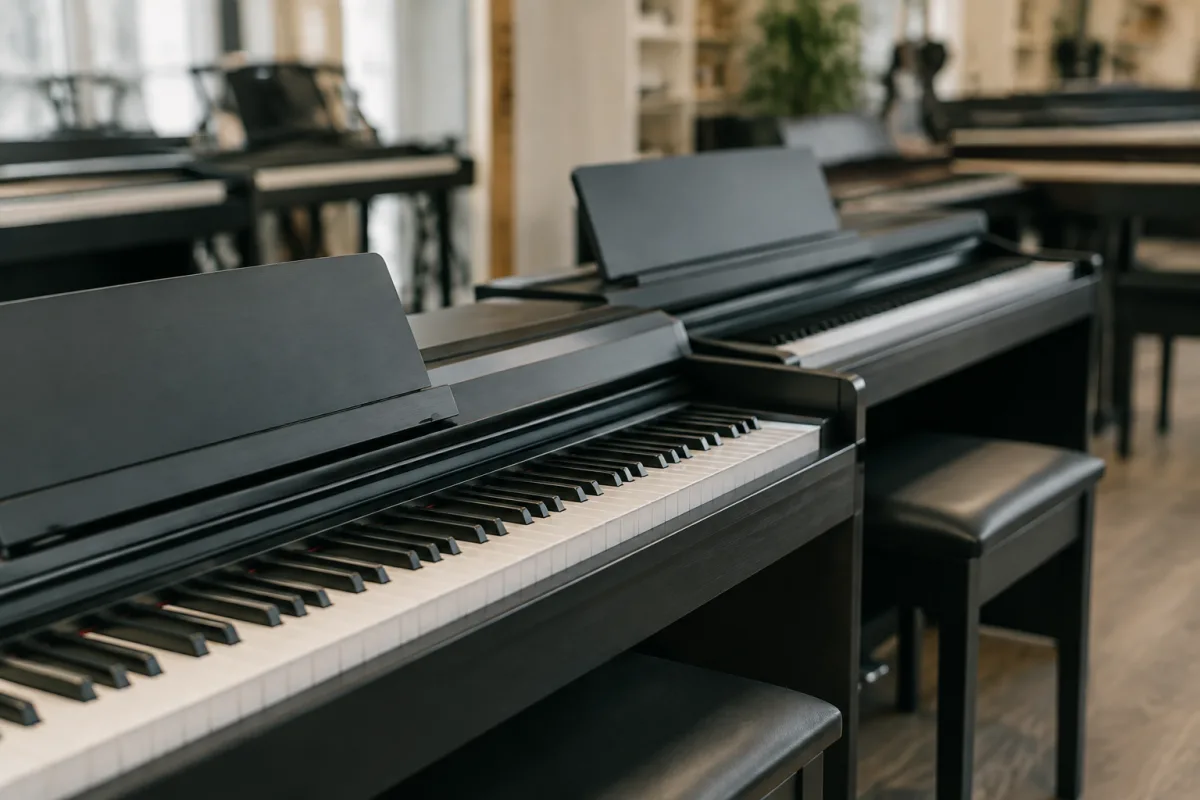
The cost of keyboards can vary wildly depending on the type, features, and brand you choose. Whether you're looking for an affordable beginner option or investing in a professional instrument, understanding pricing across different categories helps you find the right value for your needs and budget.
Entry-Level Digital Pianos
Budget-conscious beginners often start with entry-level models priced between £200 and £500. These instruments typically offer 61 weighted keys, decent sound quality from sampled acoustic piano tones, and essential features like headphone connectivity and recording. Many learners find them sufficient for the first 1–2 years of practice. However, the action (how the keys feel when pressed) tends to be lighter than acoustic pianos, which can affect technique development.
Entry-level keyboards make sense if you're still deciding whether playing is for you. If you commit to lessons and practise regularly, you'll likely want to upgrade within a year or two.
Mid-Range Keyboards
Mid-range models, priced from £500 to £1,500, offer significantly better build quality, more sophisticated sound engines, and weighted keys with graded hammer action that mimics acoustic pianos more closely. These keyboards suit serious hobbyists and players preparing for examinations or performing at amateur level.
A mid-range investment shows serious intent to learning and typically lasts many years with proper care. The improved action and sound quality make practice more enjoyable and help develop proper technique.
Professional Stage Keyboards
Professional-grade stage keyboards and portable grand pianos range from £1,500 to £5,000 or more. These instruments are built for gigging musicians and studio professionals. They offer superior sound engines, extensive sampled instrument libraries, sophisticated sequencing and layering capabilities, and robust construction designed to withstand road travel and venue setups.
Professional keyboards include features like weighted pedal systems, extensive connectivity (USB, MIDI, audio I/O), and customizable controls for live performance. Only players who gig regularly or work professionally typically justify this investment.
High-End Concert Grand Pianos
Top-tier concert grand models and premium digital pianos exceed £5,000 and can reach £10,000 or beyond. These are professional studio and concert instruments featuring the most sophisticated sound sampling technology, fully weighted 88-key hammer action, and acoustic resonance systems that approach the feel and sound of acoustic concert pianos.
Musicians pursuing classical performance at a high level, professional session players, and studios typically invest at this level. The cost reflects years of development, premium materials, and the instrument's role as both an investment and a tool for serious musical work.
Secondhand and Refurbished Options
Buying used can significantly reduce costs. A five-year-old mid-range model selling for £800 new might cost £400–600 on the secondhand market. Refurbished instruments, particularly from reputable dealers, come with warranties and often cost 20–40% less than new equivalents. However, inspect secondhand keyboards carefully for key responsiveness, wear on weighted mechanisms, and overall condition.
Secondhand purchases make sense if you're upgrading or trying a different model, but first-time buyers often benefit from warranty coverage and reliability of new purchases.
Factors Affecting Keyboard Pricing
Several variables influence what you'll pay. Brand reputation and heritage matter; established manufacturers command premium prices based on sound quality and build tradition. The number of keys (61 keys costs less than 88) directly impacts price. Included features like weighted action, polyphony count, sound library depth, and connectivity options all add cost. Size and portability also factor in; compact keyboards cost less than full-size professional instruments.
Choosing Based on Budget
If you have £200–500 to spend, entry-level digital pianos offer reasonable value for exploration. Budget £700–1,200 if you're serious about learning and want good weighted action without excessive cost. Spend £1,500–3,000 if you gig regularly or pursue performance seriously. Reserve £5,000+ for professional or concert-level needs. Remember that spending more than your commitment level justifies is wasteful, whilst spending too little may frustrate your learning.
Additional Costs Beyond Purchase Price
Budget for a sturdy stand (£80–200), pedals (£30–100), and headphones if playing at night (£50–150). Lessons with a qualified teacher typically cost £20–40 per hour. Professional maintenance and repairs run £50–200 annually. These ongoing costs add up, so factor them into your total music investment.
Conclusion
Keyboard pricing spans a huge range because the instruments themselves range from toys to professional concert tools. The best value depends entirely on your commitment level, musical goals, and how long you plan to play. Start honestly about your intentions, set a realistic budget that includes your skill level, and resist the urge to overinvest early. You can always upgrade when your playing justifies it.


Comments