
Prices for Clarinets article
The Complete Guide to Prices For Clarinets
Prices for clarinets vary significantly by quality level and maker. Learn what determines clarinet costs and how to find the best value in prices for clarinets.
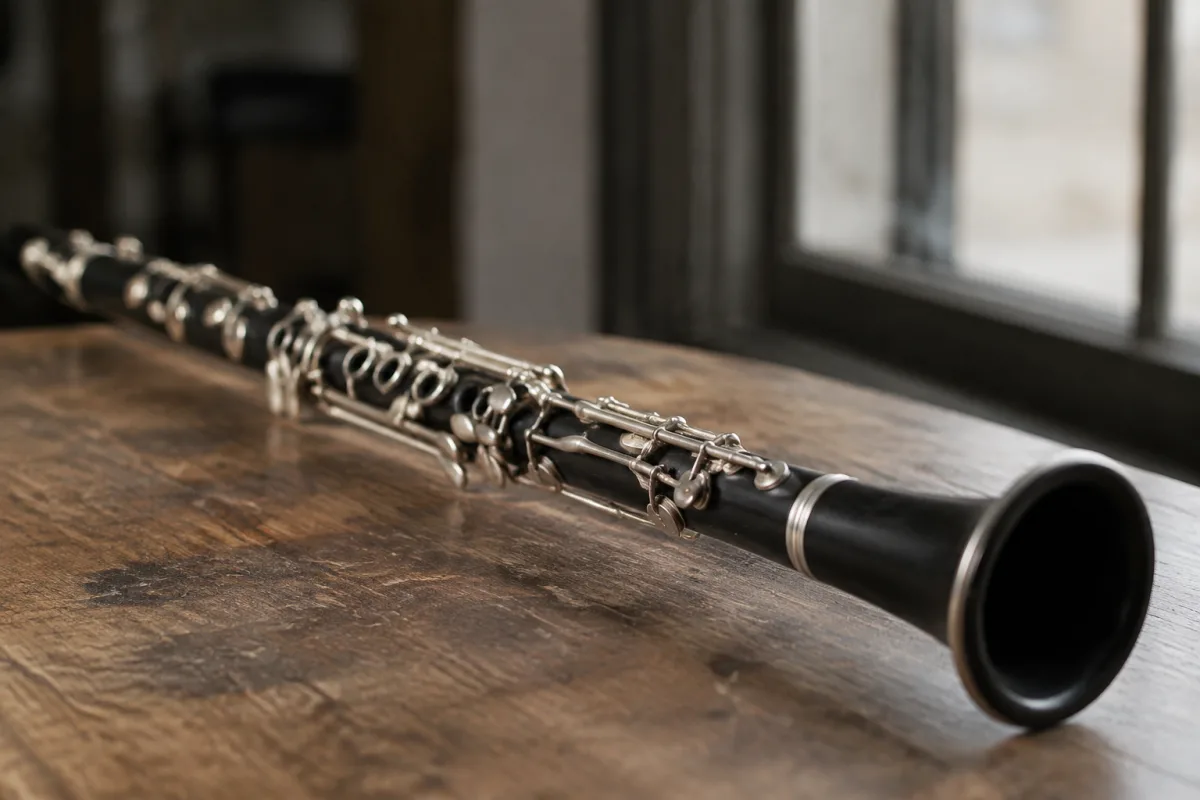
Understanding prices for clarinets is essential for musicians seeking to purchase an instrument matched to their skill level, musical goals, and financial circumstances. From budget student models to professional handcrafted instruments, prices for clarinets span an enormous range reflecting significant differences in materials, construction quality, and sound characteristics. This comprehensive guide explores the clarinet market, factors affecting prices for clarinets, and how to navigate purchasing decisions at various price points.
The Clarinet Market and Price Ranges
Prices for clarinets typically fall into distinct categories reflecting intended use and quality levels. Budget student clarinets occupy the lowest price tier, with prices for clarinets starting around £60-150. Intermediate clarinets, suitable for advancing musicians, typically range from £300-800 in prices for clarinets. Professional-grade instruments command prices for clarinets exceeding £1500, with premium handcrafted clarinets reaching several thousand pounds.
The relationship between price and quality in clarinet purchasing is complex. Cheap prices for clarinets don't guarantee poor performance, nor do high prices for clarinets ensure superior instruments. Understanding what factors justify different prices for clarinets helps musicians make informed decisions aligned with realistic expectations and genuine value.
Student Clarinet Prices
| Quality Level | Typical Price Range | Best For | Material |
|---|---|---|---|
| Absolute Beginner Prices for Clarinets | £60-120 | First-time players, experimental purchase | Plastic/composite body with nickel plating |
| Entry-Level Prices for Clarinets | £120-250 | School band students, committed beginners | Wood body with standard keywork |
| Quality Student Prices for Clarinets | £250-600 | Serious amateur players with 2+ years experience | Superior wood with improved keywork |
Prices for clarinets aimed at students reflect quality differences important for learning success. Entry-level prices for clarinets around £120 represent the minimum investment necessary for playable instruments. Spending more on prices for clarinets in the student range typically improves intonation, tone quality, and mechanism responsiveness—factors significantly affecting learning progression.
What Determines Prices for Clarinets
Several factors directly influence prices for clarinets. The material selection significantly affects prices for clarinets—plastic bodies cost dramatically less than grenadilla hardwood. Keywork quality impacts prices for clarinets, with precision-machined mechanisms commanding premium pricing. Bore design affects tonal characteristics and directly influences prices for clarinets.
The maker's reputation substantially affects prices for clarinets. Clarinets from renowned manufacturers command higher prices for clarinets than functionally similar instruments from lesser-known brands. Handcrafting versus factory production creates enormous differences in prices for clarinets. The materials used—grenadilla wood authenticity, silver plating purity, leather pad quality—each impact prices for clarinets accordingly.
Intermediate Clarinet Price Considerations
Musicians transitioning from student to intermediate instruments encounter wider choices at intermediate prices for clarinets. Prices for clarinets in the £400-800 range typically feature genuine grenadilla wood bodies, improved keywork precision, and superior intonation compared to budget models. Many semi-professional musicians settle on intermediate prices for clarinets as their permanent instruments.
Intermediate prices for clarinets generally represent the best value proposition for serious amateur musicians. The performance improvements relative to student models justify the investment, whilst preserving capital compared to professional-grade prices for clarinets. A clarinet at intermediate prices for clarinets can serve capably in semi-professional contexts, community orchestras, and serious amateur ensembles.
Professional and Premium Prices for Clarinets
Professional-grade prices for clarinets typically start around £1500 and extend to several thousand pounds for premium instruments. Prices for clarinets at this level reflect extraordinary materials, meticulous hand-finishing, and the maker's established reputation. Professional prices for clarinets may include handmade reeds and detailed setup procedures.
The relationship between price and performance becomes more subtle at professional prices for clarinets. Marginal tone improvements and playability refinements justify substantial price increases for advanced professionals, but such differences remain largely imperceptible to amateur ears. Professional prices for clarinets reflect investment in instruments expected to remain serviceable across entire careers spanning decades.
New vs. Used Clarinet Prices
Purchasing used instruments significantly affects prices for clarinets. A used clarinet at intermediate prices for clarinets often equals or exceeds quality available at student prices for clarinets when newly purchased. Prices for clarinets on the used market typically reflect instrument age, maintenance history, and remaining functional lifespan.
Well-maintained used instruments often represent exceptional value, with prices for clarinets typically 30-50% below comparable new instruments. However, unknown repair histories and uncertain maintenance affect reliability. Careful inspection and professional evaluation help assess whether prices for clarinets on used markets truly represent good value or merely appear cheaper.
Rental vs. Purchase Prices for Clarinets
Many beginners rent rather than purchase initially, directly affecting clarinet budget considerations. Monthly rental prices for clarinets typically range £15-40, accumulating substantial costs over 2-3 years. Purchase prices for clarinets in the £200-400 range often represent better long-term value than multi-year rentals despite higher upfront costs.
Rental arrangements allow upgrading from low-quality to better instruments as skills progress. However, cumulative prices for clarinets through rental eventually exceed purchase prices. Musicians who commit to clarinet playing should analyse whether rental or purchase prices for clarinets better serve their long-term intentions.
Hidden Costs Beyond Purchase Prices for Clarinets
Understanding full clarinet ownership costs goes beyond initial purchase prices for clarinets. Reed costs, typically £2-5 per reed, accumulate quickly as developing players wear through reeds frequently. Prices for clarinets represent only the initial investment; maintenance supplies, occasional repairs, and professional services add significant ongoing expenses.
Professional setup and regulation—often recommended after purchasing new prices for clarinets—can cost £50-150. Reed trays, cork grease, and cleaning supplies add £20-50. Calculating lifetime ownership costs reveals that higher initial prices for clarinets sometimes prove economical through superior durability and reduced maintenance needs.
Where Prices for Clarinets Are Found
Local music shops typically offer the broadest selection at consistent prices for clarinets within regions. Online retailers often feature competitive prices for clarinets with broad selection, though shipping costs and return policies vary. Manufacturer direct sales sometimes offer better prices for clarinets compared to retailer markups.
Specialist clarinet retailers usually provide superior expertise, helping justify higher prices for clarinets through knowledgeable guidance. Private sellers and estate sales occasionally offer exceptional prices for clarinets on used instruments, though evaluating condition requires expertise. Understanding where prices for clarinets come from enables informed purchasing decisions.
Making Smart Purchasing Decisions About Prices for Clarinets
Rather than focusing solely on prices for clarinets, consider value across the instrument's lifespan. Test multiple instruments at similar prices for clarinets, as quality varies considerably even within price categories. Avoid the temptation to economise excessively on prices for clarinets—false economy in initial purchase often frustrates learning and potentially derails musical development.
Conversely, overspending beyond your skill level at current prices for clarinets wastes resources without appreciable benefit. Beginners generally shouldn't purchase professional-grade instruments, regardless of financial capacity. Matching clarinet quality to current skill level, with room for reasonable advancement, optimises the relationship between prices for clarinets and actual utility.
Conclusion
Understanding prices for clarinets across different categories and quality levels empowers informed purchasing decisions. Whether seeking budget-friendly entry options, intermediate instruments for advancing musicians, or professional-grade clarinets, clarinet prices reflect genuine quality differences worth understanding. By carefully evaluating prices for clarinets in context of intended use, musical goals, and long-term ownership perspectives, musicians select instruments delivering lasting satisfaction and musical growth appropriate to their investment.


Comments