
Popular Pianos article
The Complete Guide to Popular Pianos
Popular pianos earn their reputation through superior craftsmanship, distinctive tone, and generations of musicians choosing them for professional performance and serious study.
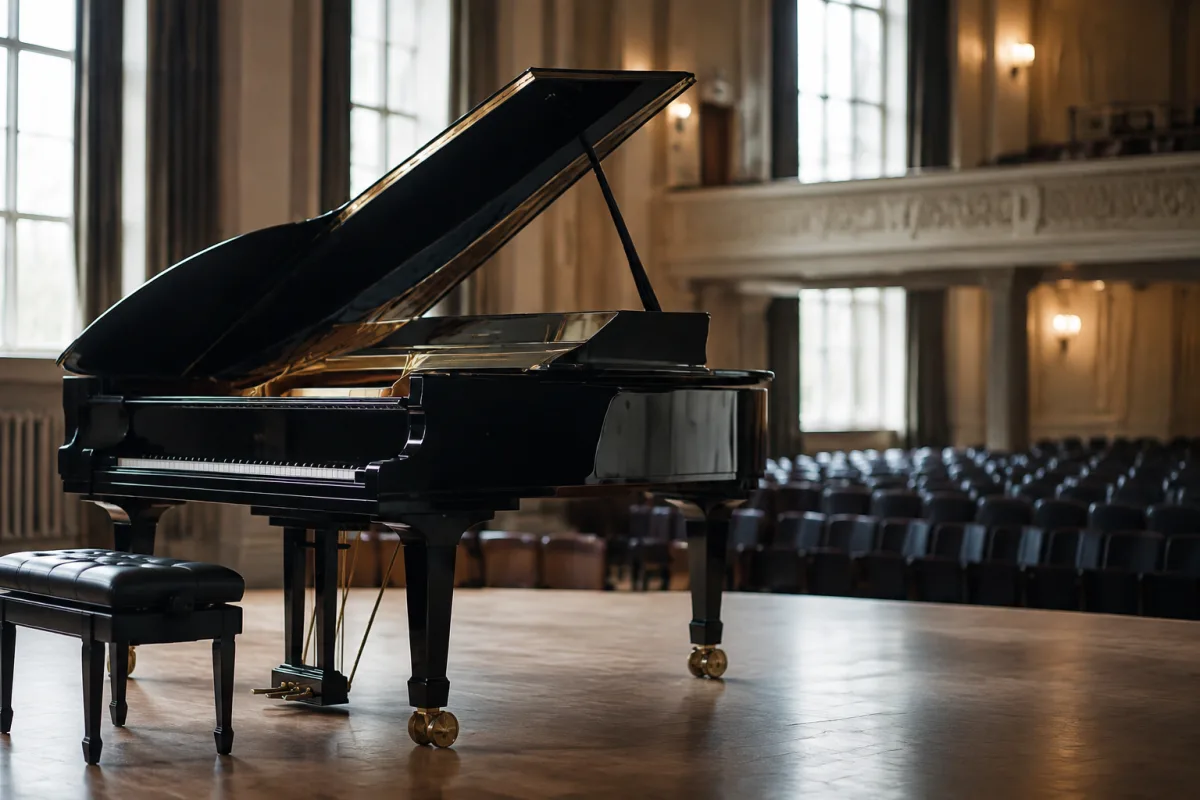
Popular pianos span centuries of musical innovation, from grand concert instruments to intimate uprights gracing parlours and studios. Whether you're a concert pianist, a jazz enthusiast, or a home musician, certain pianos have earned their reputation through superior craftsmanship, distinctive tone, and the cultural weight of having shaped recorded history. This guide explores the pianos that matter—the instruments that professional musicians choose and audiences recognise by name.
The Grand Piano Hierarchy
Grand pianos represent the pinnacle of piano design, with soundboards that radiate tone into the room rather than against a wall. Concert grands—typically 8 feet or longer—occupy concert halls worldwide and define what classical pianists practise towards. Smaller grands, around 5 to 7 feet, suit recording studios and large living rooms whilst delivering much of the performance capability.
The most sought-after grands come from manufacturers with centuries of heritage and an uncompromising approach to materials. Steinway & Sons pianos, built in Hamburg and New York since 1853, remain the gold standard in concert halls globally. Their action, touchweight, and tone projection are so familiar to concert pianists that many feel out of place on unfamiliar instruments. A Steinway's rich, singing quality and responsive action make it the default choice for professional soloists and orchestral accompanists.
Bösendorfer, an Austrian manufacturer founded in 1828, occupies a unique position. Their Imperial Grand—at 9 feet 6 inches, the longest grand on offer—features extra bass keys (a low C-sharp octave) that few composers write for, yet this extension colours the entire instrument's bass register with a warmth many pianists pursue. Jazz artists and film composers especially favour Bösendorfer's darker, moodier tone.
Yamaha and Kawai, Japanese manufacturers, have earned respect for reliability, consistency, and value. Yamaha's CFX series delivers a bright, cutting tone that projects well in large venues. Kawai's Shigeru Kawai line, hand-crafted in Japan with meticulous attention, offers musicality approaching European handmades at a lower price point. Both are standard choices in university halls and many professional studios.
Upright Pianos for Home and Studio
Uprights take up a quarter of a grand's floor space yet deliver disproportionate musicality when chosen well. A quality upright serves serious amateur pianists, teachers, and singer-songwriters with plenty of tonal depth and responsive action. Studios often keep both a grand and an upright to capture different sonic characters within a single session.
Steinway K and M models remain the reference standard for professional uprights. Their weighted action and singing tone make them teaching and practice instruments of choice worldwide. Mason & Hamlin, an American heritage brand, crafts uprights with exceptional durability and a warm, rounded tone appreciated by classical musicians. Baldwin, another American maker with deep roots, produces uprights valued for their touch and tonal clarity.
European manufacturers like Bechstein and Broadwood bring Old World craftsmanship to their upright lines. A good upright from any of these makers will outlive its player by decades, improving with age and rewarding regular maintenance.
Digital and Hybrid Pianos
Modern technology has created credible alternatives to acoustic pianos, particularly for learners, stage performers, and neighbours who treasure peace. High-end digital pianos from Yamaha, Kawai, and Roland employ weighted hammer actions that simulate an acoustic piano's resistance and sampling technology that captures a concert grand's sound with impressive fidelity.
Weighted keyboard action is crucial: an unweighted keyboard feels nothing like a real piano and will stunt a learner's technique development. Entry-level stage pianos (with simple weighted keys) cost £400–£800, whilst professional weighted digital pianos range from £1,500 to £8,000+. Kawai's VPC1 and Yamaha's P-515, for instance, are chosen by touring artists for their portability without sacrificing feel.
Hybrid pianos—acoustic grand pianos with digital recordings and MIDI capture—combine acoustic touch and sound with the flexibility of recording and silent practice. They cost significantly more but attract pianists unwilling to compromise on feel.
What Makes a Piano Popular
A piano's popularity springs from several convergent factors: heritage and reputation (concert halls and teachers recommend them), reliability and longevity (an instrument that lasts generations builds brand loyalty), distinctive tone (each maker's sound is instantly recognisable to trained ears), and the historic weight of having been played by celebrated musicians.
Jazz pianists favour Bösendorfer and Steinway grands for their responsive, darker tones and the instruments' suitability for improvisation. Classical soloists gravitate towards Steinway, drawn by the action's precision and the tone's projection. Session musicians and producers choose Yamaha for its bright clarity and roadworthy build quality. Teachers and amateurs select uprights from heritage makers, valuing their durability and the knowledge that their investment will hold its value.
The Concert Hall Standard
Visit any major concert hall or jazz club and you'll find the same handful of names: Steinway dominates classical concert halls (roughly 90% of concert grands in professional venues). Bösendorfer holds court in Vienna and attracts artists who prize intimacy and warmth. Yamaha appears frequently in educational settings and increasingly in contemporary classical and jazz venues, its bright tone suiting modern repertoire.
This concentration is self-reinforcing. Young pianists practise on whatever is available, but when they reach professional level, they often seek out the instruments they trained on. Steinway's presence in conservatories worldwide means generations of soloists learned on a Steinway and prefer one in performance. Similarly, jazz musicians who cut their teeth in clubs equipped with Bösendorfer grands develop a loyalty that shapes their own preferences and recommendations.
Budget, Practicality, and Compromise
A new concert grand Steinway costs £90,000–£160,000. A Bösendorfer Imperial runs £180,000+. Smaller grands from these makers start around £40,000–£70,000. For most musicians, new piano purchases are rare and deeply considered; second-hand and refurbished pianos from top makers offer significant savings and often superior value, as their reputation holds resale prices relatively stable.
Digital and hybrid options have democratised access to high-quality pianos. A serious student can find a weighted 88-key digital piano for £1,000–£3,000 that offers an acceptable touch and sound for practice and early performance work. This has shifted the conversation for amateurs: whereas a modest upright once meant settling for limited tone, a modern digital can now match it for touch and even exceed it for flexibility and durability.
For teachers and learners, middle-tier uprights from Yamaha, Kawai, or older stock from heritage makers (Baldwin, Mason & Hamlin, Bechstein) offer excellent value at £3,000–£15,000. These hold their value and will serve a player for 20 years or more with routine maintenance.
Conclusion
Popular pianos earn their standing through generations of musicians choosing them for their touch, tone, and reliability. Whether you aspire to concert performance, jazz improvisation, or home enjoyment, the pianos discussed here—Steinway, Bösendorfer, Yamaha, Kawai, Mason & Hamlin, Baldwin, and others—represent the best of acoustic piano craftsmanship and modern innovation. Your choice depends on your priorities: concert-hall prestige and tradition favour Steinway and Bösendorfer; value and consistency favour Yamaha and Kawai; durability and character favour heritage American and European uprights; and flexibility and space-efficiency favour weighted digital pianos. Whoever you are as a pianist, a popular piano awaits that matches your ambition, ear, and circumstance.
FAQ
- Q: What is the most popular piano in concert halls?
A: Steinway & Sons grands dominate professional concert venues worldwide, accounting for roughly 90% of concert instruments. Their tone, action, and historical prestige make them the default choice for soloists and accompanists. - Q: Is a Bösendorfer piano worth the extra cost?
A: Bösendorfer grands offer a distinctly warmer, moodier tone and superior touch response that appeal particularly to jazz musicians and artists seeking intimacy. Whether it's "worth it" depends on your ears and repertoire, but it is unquestionably a professional-grade instrument. - Q: Can a digital piano replace an acoustic piano?
A: A high-end weighted digital piano with responsive action and good sampling can serve learners, performers, and studio musicians well, especially if space or noise is a constraint. However, the tactile and acoustic experience of playing a fine acoustic grand is irreplaceable for serious study and performance. - Q: What should I look for when buying a second-hand piano?
A: Examine the action (keys should be responsive, not sticky), the tone (listen for projection and clarity), and the case and frame (look for cracks or warping). Have a piano technician inspect it before purchase. Heritage brands like Steinway, Bösendorfer, Mason & Hamlin, and Baldwin hold value and remain excellent investments used. - Q: Why do jazz pianists often choose Bösendorfer?
A: Bösendorfer's darker tone, responsive action, and the piano's tonal flexibility suit improvisation well. Many jazz clubs and studios in Europe have historically stocked Bösendorfers, so players trained on them and developed a preference. - Q: Are Yamaha and Kawai pianos suitable for professionals?
A: Yes. Yamaha CFX grands and Kawai Shigeru Kawais are professional instruments chosen by educators, session pianists, and touring performers. Their bright, consistent tone and rock-solid reliability make them ideal for studios and venues where precision and durability matter. - Q: How long does a quality piano last?
A: A well-maintained piano from a heritage maker (Steinway, Bösendorfer, Mason & Hamlin, Baldwin, Bechstein) easily lasts 50–100+ years. Regular tuning, regulation, and occasional voicing keep it sounding its best. Some concert grands have been in continuous use for over a century. - Q: What's the difference between concert and baby grands?
A: Concert grands are typically 8+ feet, offering maximum tonal projection and action depth; baby grands (5–7 feet) are smaller, more affordable, and fit better in homes whilst retaining much of the professional capability. The distinction is mainly size and price; quality varies within each category.



Comments