


Alter Bridge article
Alter Bridge for Beginners: A Complete Guide
A beginner's guide to Alter Bridge: learn where to start, which songs to listen to first, and how to enjoy one of modern rock's most sophisticated bands without feeling overwhelmed.
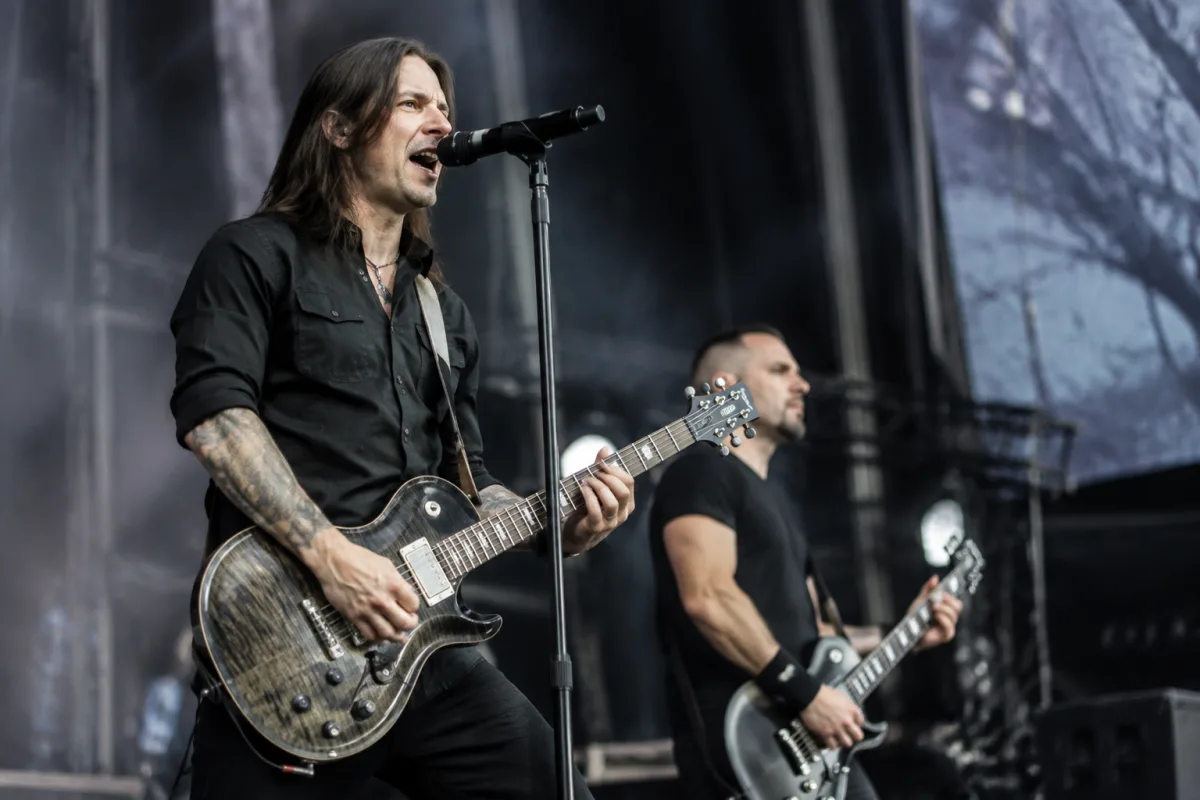
Alter Bridge can feel intimidating at first—they're a rock band known for complex compositions and virtuosic guitar work. If you're a beginner listener nervous about diving into their music, you're not alone. This guide is designed specifically for you: someone looking for the easiest entry point into Alter Bridge's world, without overwhelming yourself with deep cuts and technical complexity. By the end, you'll know where to start, what to expect, and why Alter Bridge matters in modern rock music. We'll also connect you with the complete guide to Alter Bridge once you're ready to dig deeper.
Why Beginner Listeners Find Alter Bridge Challenging
Alter Bridge emerged in 2004, originally as a side project by Mark Tremonti (guitarist from Creed) and Myles Kennedy (who later became their lead vocalist). The band combines progressive rock elements, heavy guitar riffs, and intricate time signatures that can feel complex compared to mainstream rock or pop. Their songs often exceed five minutes and feature multiple sections that shift unexpectedly—this architectural complexity is part of their identity, but it can catch beginners off guard. Don't worry though; complexity isn't the same as inaccessibility. Alter Bridge has crafted some genuinely catchy, emotionally resonant songs that work perfectly as your first stepping stones into their catalogue.
Your Five Essential First Songs
The best way to start with Alter Bridge is to listen to songs that balance accessibility with their signature sound. These five tracks introduce their core identity without overwhelming you:
- "Blackbird" (2004)—This acoustic ballad is arguably their most beginner-friendly song. It's just Mark Tremonti's fingerstyle guitar and Myles Kennedy's soaring vocals. No drums, no bass, no complexity; just beautiful musicianship. It's proof that Alter Bridge can be intimate and emotionally powerful without volume or speed.
- "Tears Don't Fall" (2004)—A melodic rock track with a memorable chorus and a clear structure. The guitar work is impressive but serves the song rather than overshadowing it. This one hooks you with melody first.
- "Rise Today" (2007)—Slightly heavier and more energetic than the previous two, this song features a driving rhythm and an anthemic chorus. It shows you Alter Bridge's ability to deliver emotional intensity without becoming unlistenable.
- "The Other Side" (2007)—This track has a more straightforward verse-chorus structure, making it less daunting. It introduces you to their heavier guitar tones in a song that's still very much about melody and feeling.
- "Addicted to Pain" (2013)—An excellent bridge between accessible and complex. It features a strong, earworm-worthy main riff and a chorus that sticks with you, but also hints at the sophistication Alter Bridge brings to their arrangements.
The Key Things to Know About Alter Bridge's Sound
Before exploring further, here's what makes Alter Bridge distinctive, so you're not caught off guard:
- Vocal range: Myles Kennedy has a soaring, high-register voice. His melodies sit in the upper range, which is beautiful but sounds different from mainstream rock frontmen. This is intentional and part of Alter Bridge's signature.
- Guitar-driven arrangements: Mark Tremonti is the composer and guitarist. Expect intricate, often multi-layered guitar work. Even in quieter songs, the guitar is a lead instrument, not just background rhythm.
- Song length: Most Alter Bridge songs run between five and seven minutes. They don't rush. This allows for builds, breakdowns, and multiple sections within a single track.
- Emotional intensity: Alter Bridge's lyrics often explore themes of struggle, perseverance, pain, and redemption. Even upbeat songs carry emotional weight. This isn't throwaway pop-rock; it's designed to move you.
- Progressive elements: Time signature changes and unexpected structural turns are common. But don't let this intimidate you—the emotional core keeps these songs grounded and accessible.
Common Beginner Mistakes to Avoid
As you start listening to Alter Bridge, here are pitfalls that catch many first-time listeners:
Jumping straight to deep cuts: Don't start with album tracks from their later work (2013 onwards) or live jam sessions. These require context. Stick with the essential tracks first, then branch out. Your brain needs to recognise Myles Kennedy's voice and Mark Tremonti's playing style before diving into their complex work.
Expecting every song to be "Blackbird": Some beginners fall in love with the acoustic ballad and then feel disappointed by heavier tracks. Alter Bridge excels across styles—fast, slow, heavy, soft. Expect variety, and embrace it as a strength, not a weakness.
Dismissing instrumental sections: Alter Bridge often features guitar solos or instrumental passages that go beyond traditional rock. These aren't showing off; they're integral to the song's emotional arc. Let yourself enjoy them without analysing every note.
Ignoring live performances: Many beginners think recorded albums are the only way to experience Alter Bridge. But their live shows (available on YouTube and streaming platforms) add energy and nuance. However, start with studio albums first to build familiarity.
Comparing them to Creed: Yes, Mark Tremonti founded Creed. But Alter Bridge is deliberately different—more sophisticated, more progessive. Some people have strong opinions about Creed; don't let those colour your approach to Alter Bridge.
Your Starter Albums
Once you've got those five songs embedded in your brain, here's which full albums to explore next, in order of beginner-friendliness:
One Day Remains (2004): Their debut and the most straightforward introduction to their full sound. It's energetic, melodic, and sets the foundation for everything they'd do later.
Blackbird (2007): A step more mature. It balances heavier moments with beautiful, introspective passages. You'll see the band's evolution in just three years.
AB III (2010): This is where things get denser. By this point, you'll be ready for the increased complexity and atmospheric depth.
After these three, you're ready to explore their later work (Fortress, The Last Hero, Pawns and Kings) which increasingly embraces progressive complexity but now you'll have the context to understand and enjoy it.
Quick Tips for Your First Listen
- Use quality headphones or speakers if possible—Alter Bridge's production benefits from clarity.
- Read the lyrics while listening (available on genius.com or the lyric pages of your streaming service). Understanding the emotional content enriches the experience.
- Don't try to analyse everything on first listen. Let the music wash over you. Familiarity comes with repetition.
- Follow along with guitar tabs or sheet music only after you've fallen in love with the songs. Technical analysis can detract from initial enjoyment.
Conclusion: Your Alter Bridge Journey Begins Here
Starting with Alter Bridge doesn't require musical expertise or preparation. Begin with those five essential tracks—especially "Blackbird"—and let your ear adjust to Myles Kennedy's voice and Mark Tremonti's guitar style. From there, explore the first three albums at your own pace. The complexity and sophistication that might have initially seemed daunting will gradually reveal themselves as strengths rather than obstacles. Within a few weeks of casual listening, you'll wonder why you ever found Alter Bridge intimidating. Welcome to the band; you're in for a rewarding musical journey.



Comments